Traveling opens the door to new experiences, but to truly understand a place and its people, you need more than a guidebook-made itinerary. You need cultural immersion. In this guide, we’ll explore practical tips for diving deep into local life, forging genuine connections, and creating memories that transcend typical tourist snapshots.A very important aspect of cultural immersion is to engage with locals authentically. This means going beyond tourist interactions and making genuine connections. Talk to people, ask questions, and show interest in their daily lives. Eat at local eateries, shop at community markets, and participate in local activities whenever possible. These interactions provide insights that you cannot find in guidebooks or online research.
Why Cultural Immersion Matters
At its core, cultural immersion is about respect, curiosity, and openness. It’s the difference between seeing iconic landmarks and understanding why they matter to the people who built them. It’s sharing a meal with a local family instead of grabbing fast food in a hotel lobby. And it’s turning a fleeting vacation into a transformational journey that broadens your perspective and enriches your life.
1. Do Your Homework Before You Go
Preparation lays the groundwork for a smooth, immersive experience. Start by researching cultural norms, local history, and basic etiquette. Read travel blogs, watch documentaries, and follow social media channels run by locals. Pay attention to:
- Dress codes for religious sites or formal events
- Important holidays and festivals to either join or avoid
- Tipping practices, greetings, and gestures that may differ from your own culture
2. Learn Key Phrases in the Local Language
Even a handful of words goes a long way. Locals appreciate the effort and are often more willing to help you practice. Focus on:
- Basic greetings like “hello,” “please,” “thank you,” and “sorry.”
- Asking for directions, prices, or the restroom.
- Polite closing phrases for transactions, such as “Have a nice day” or “Goodbye.”
Use apps like Duolingo or Memrise for quick daily lessons, and carry a pocket phrasebook for emergencies.
3. Choose Accommodation That Fosters Connection
Where you stay can make or break your immersion experience. Instead of international hotel chains, consider:

- Homestays: Live under the same roof as a local family and participate in daily routines.
- Guesthouses: Smaller establishments run by residents who know the neighborhood intimately.
- Short-term apartment rentals: Settle into a neighborhood, shop at the local market, and cook with regional ingredients.
4. Eat Where the Locals Eat
Food is the heartbeat of culture. Dare to stray from international chains and explore family-run eateries, street stalls, and neighborhood cafés. To find hidden gems:
- Use location-based social apps or ask your host for recommendations.
- Look for busy venues filled with locals—an indicator of authenticity and good value.
- Be adventurous with unfamiliar ingredients: exotic fruits, local spices, and traditional desserts.
Food tours or cooking classes led by residents can deepen your understanding of culinary traditions and give you skills to replicate dishes at home.
5. Participate in Local Events and Traditions
Whether it’s a religious ceremony, a neighborhood festival, or a weekly market, local events offer insight into communal values and social bonds. To join respectfully:
- Dress appropriately and follow any dress codes or rituals.
- Observe before you photograph—always ask permission.
- Engage kindly—listen, watch, and only participate if invited.
6. Make Conversation and Listen Actively
Small talk can blossom into lasting friendships if you approach it with genuine interest. Try:
- Asking open-ended questions about local life, family traditions, or community challenges.
- Sharing stories of your own background to create a two-way exchange.
- Listening more than you speak—this builds trust and respect.
7. Support Local Artisans and Businesses
Shopping or hiring services from small businesses keeps money circulating in the community. Look for:
- Handmade crafts: Avoid mass-produced souvenirs and buy directly from makers.
- Local tour operators: Choose guides who live in the area and know hidden spots.
- Community projects: Contribute to local initiatives in education, conservation, or arts.
8. Practice Mindful Photography
Capturing memories is natural, but photographing people or sacred sites without consent can offend. To be courteous:
- Ask permission first—use local greetings before raising your camera.
- Respect no-photo zones, especially in religious or private settings.
- Offer to share digital copies of photos with your new friends.
9. Be Flexible and Embrace the Unexpected
No matter how well you plan, travel always surprises you. A missed bus could lead to serendipitous encounters; a language mix-up might become a hilarious story. By staying adaptable and keeping a sense of humor, you’ll convert setbacks into highlights of your journey.
10. Reflect and Give Back
After your trip, take time to journal or blog about what you learned. Reflection helps you process cultural insights and share them with others. Consider:
- Donating to a local charity you met along the way.
- Volunteering remotely for initiatives supporting the region.
- Recommending responsible travel resources to friends and family.
Benefits of Cultural Immersion
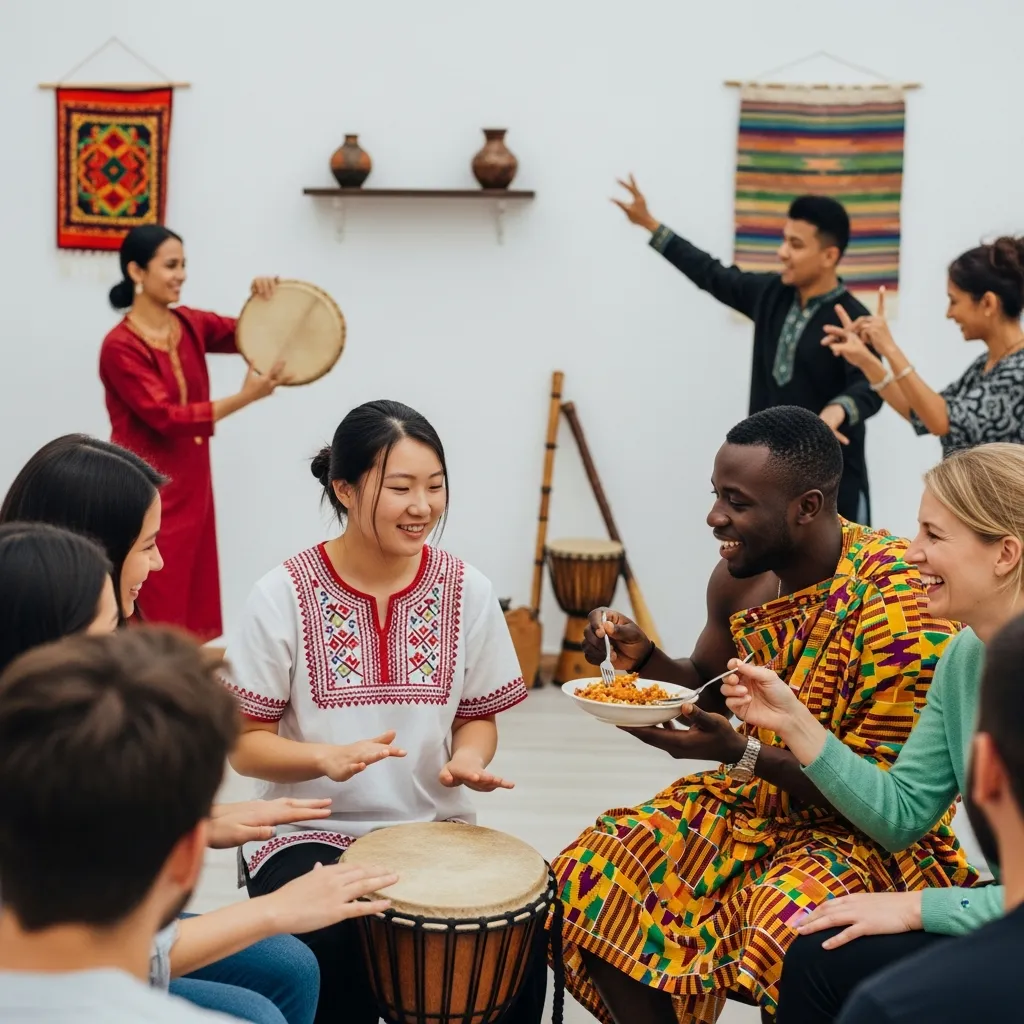
Cultural immersion offers some of the most meaningful and transformative experiences a traveler can have. One of the biggest benefits is personal growth and learning. When you step into a new culture, you are exposed to different ways of thinking, living, and solving problems. This challenges your assumptions and broadens your perspective. You may learn new traditions, languages, and values that help you become more open-minded, adaptable, and empathetic. Over time, these experiences shape your personality and make you more confident in unfamiliar situations.
Another major benefit is stronger and more memorable travel experiences. Instead of just visiting tourist attractions, cultural immersion allows you to experience a destination from the inside. You don’t just see a place—you live it. Sharing meals with local families, participating in festivals, or learning traditional crafts creates deeper emotional connections. These moments often become the most unforgettable parts of a journey because they feel authentic and personal. Unlike surface-level tourism, immersive travel creates stories that stay with you for life.
Cultural immersion also plays an important role in supporting local economies. When travelers choose local homestays, family-run restaurants, and community-based tours, they directly contribute to the livelihoods of residents. This helps small businesses grow and ensures that tourism benefits the people who actually live in the destination. It also encourages sustainable tourism practices, where communities can preserve their traditions while earning income. Instead of large corporations dominating tourism, cultural immersion empowers local people to share their heritage on their own terms.
Challenges You May Face
While cultural immersion is highly rewarding, it also comes with several challenges that travelers should be prepared for. One of the most common is culture shock. When you enter a completely different cultural environment, everything from food and clothing to social behavior and daily routines may feel unfamiliar. This sudden difference can sometimes create discomfort, confusion, or even anxiety. Simple tasks like ordering food or using public transport may feel overwhelming at first. However, culture shock is usually temporary and becomes easier to manage as you adjust and learn more about the local way of life.
Another major challenge is miscommunication. Language barriers can make it difficult to express your needs or understand others. Even when you share a common language, cultural differences in tone, gestures, and expressions can lead to misunderstandings. For example, a gesture that is friendly in one culture may be offensive in another. This can sometimes create awkward or frustrating situations for travelers. Learning a few basic local phrases and being patient can significantly reduce these issues, but misunderstandings are still a natural part of cultural immersion.
Tips for Meaningful Cultural Immersion
To truly benefit from cultural immersion, it is important to approach travel with intention and respect. One of the most effective tips is to travel slowly. Instead of rushing through multiple destinations, spend more time in one place. Slow travel allows you to observe daily life, build relationships, and understand cultural patterns more deeply. When you stay longer in a community, you move beyond being a visitor and begin to feel like part of the environment.
Another key tip is to be open-minded. Every culture has its own traditions, beliefs, and ways of living that may be different from what you are used to. Instead of judging these differences, try to observe and understand them. Open-mindedness helps you appreciate diversity and reduces the frustration that often comes with unfamiliar situations. The more accepting you are, the richer your experience will become.
It is also helpful to learn basic phrases in the local language. Even a simple greeting or thank-you can create a positive connection and show respect for the culture. Locals often appreciate the effort, even if your pronunciation is not perfect. Communication becomes easier and more meaningful when there is mutual effort.
Conclusion
Cultural immersion transforms travel from a checklist of sights into a tapestry of meaningful experiences. By researching in advance, speaking the language, forging local connections, and staying open-minded, you’ll return home not just with souvenirs but with a deeper understanding of the world and its people. Pack your curiosity, respect local customs, and get ready to travel like a true insider!