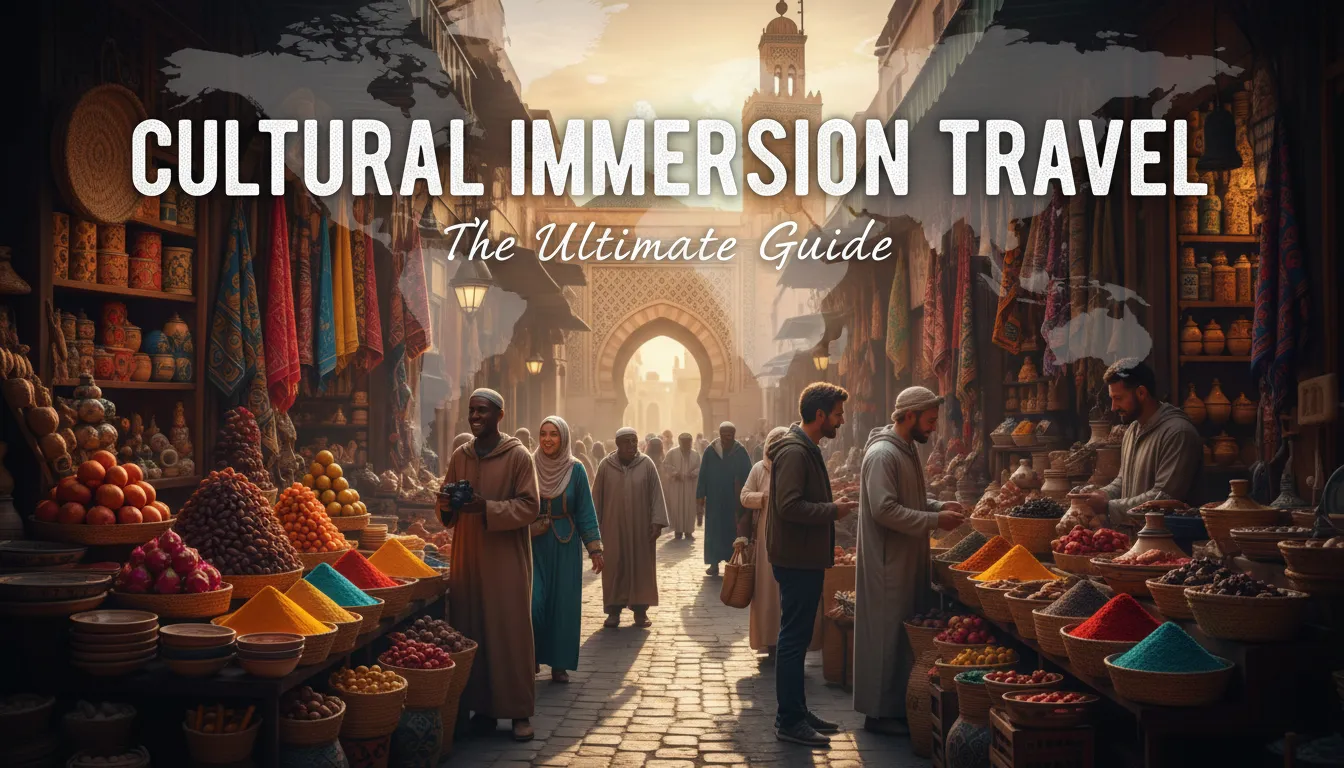
Discover how to travel deeper, connect with locals, avoid tourist mistakes, and embrace authentic customs with practical tips and strategies for a truly transformative journey.
Travel is more than just hopping from one tourist attraction to another. For those seeking something deeper than surface-level experiences, there’s a way to turn every journey into a personal transformation. Cultural immersion travel breaks away from the predictable rhythm of guidebooks and generic sightseeing. Instead, it’s an invitation to step into the daily lives, traditions, and stories of the people who call your destination home. This approach opens doors to rich conversations, authentic meals in someone’s family kitchen, and participation in festivals or rituals that are the heartbeat of a community. By prioritizing connection over checklist, you gain insight into local perspectives and values that are often hidden from outsiders. Whether you find yourself wandering a bustling neighborhood market, joining locals for a meal, or greeting elders in their language, these genuine encounters can leave a lasting mark on your understanding of the world—and on your heart.
Discover how to travel deeper, connect with locals, avoid tourist mistakes, and embrace authentic customs with practical tips and strategies for a truly transformative journey.
Why Step Off the Beaten Path?
The world offers much more than standard sightseeing tours and generic hotel chains. When you choose to travel differently, you unlock a completely new layer of the globe. You move past the superficial attractions and dive into the beating heart of a community.
The Core of True Connection
Connecting with people from different backgrounds expands your worldview. You learn to appreciate unique traditions, taste family recipes passed down through generations, and participate in daily life. This approach requires vulnerability and an open mind. You must be willing to stumble through language barriers and try things that might initially feel uncomfortable. The reward is a profound sense of global unity and memories that outlast any souvenir.
Key Benefits of Deep Exploration
Engaging deeply with a destination yields benefits that traditional vacations simply cannot match. It transforms how you view the world and yourself.
Personal Growth and Global Understanding
When you step outside your comfort zone, you build resilience and adaptability. Navigating a bustling foreign market or figuring out complex local transit systems teaches you problem-solving skills. Moreover, you develop immense empathy. Hearing local stories directly from residents breaks down stereotypes and builds genuine understanding. It fosters sustainable travel practices that benefit the places you visit rather than exploiting them.
Economic Support for Local Communities
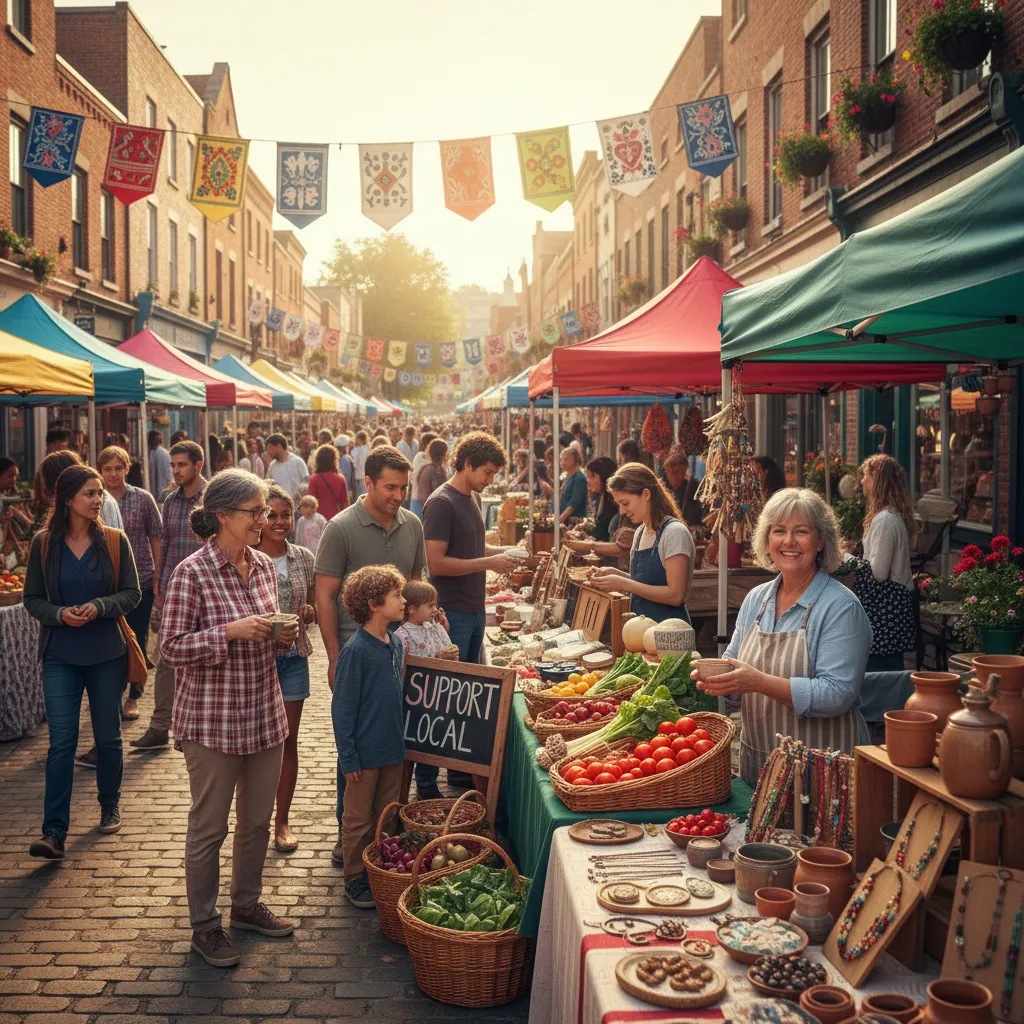
Directing your spending toward independent businesses profoundly impacts local economies. Eating at neighborhood restaurants, buying crafts directly from artisans, and booking local homestays ensures your money supports the people who actually live there. This economic empowerment helps preserve cultural heritage that might otherwise fade away due to commercial globalization.
Step-by-Step Guide to Planning Your Journey

Preparation determines the success of your trip. While spontaneity remains important, laying a solid foundation ensures you can dive into local life safely and respectfully.
Researching Like a Pro
Start your research months in advance. Look beyond the top ten lists on travel aggregators. Read books by local authors, watch regional films, and listen to music from the area. Understand the historical context of the destination. Learn about current social issues, political climates, and cultural norms regarding dress and behavior.
Mastering the Language Basics
You do not need to become fluent, but learning basic phrases shows immense respect. Start with simple greetings, numbers, and polite expressions like “please” and “thank you.” Locals appreciate the effort, even if your pronunciation is flawed. Using language learning apps in the weeks leading up to your trip provides a helpful foundation.
Choosing the Right Accommodation
Where you stay heavily influences your experience. Mega-resorts isolate you from the local environment. Instead, seek out family-run guesthouses, boutique inns, or neighborhood rentals. Staying in residential areas forces you to navigate daily life, from finding the nearest bakery to figuring out the local grocery store.
Comparison: Traditional Vacations vs. Deep Exploration
|
Feature |
Traditional Vacation |
Authentic Exploration |
|---|---|---|
|
Focus |
Relaxation and sightseeing |
Connection and understanding |
|
Accommodation |
Chain hotels and large resorts |
Guesthouses, homestays, and local rentals |
|
Dining |
Tourist-oriented restaurants |
Street food and family-owned cafes |
|
Pace |
Rushed, ticking off landmarks |
Slow, lingering in neighborhoods |
|
Impact |
Money often leaves the community |
Direct support to local economies |
Pro Tips and Expert Insights
To maximize your experience, you must adopt specific mindsets and strategies. Here are expert ways to integrate seamlessly into your destination:
- Follow the locals at mealtime: If a restaurant has a long line of residents and no English menu, you have found the right place.
- Embrace public transportation: Buses and local trains offer a front-row seat to everyday life. You will observe how people interact, dress, and commute.
- Say yes to invitations: If a shop owner invites you for tea, accept it. These spontaneous moments often become the highlight of a trip.
- Hire independent guides: Seek out passionate local historians or community leaders for tours instead of large commercial operators.
Common Mistakes to Avoid
Even well-intentioned travelers stumble. Avoid these frequent pitfalls to ensure your journey remains respectful and fulfilling.
- Over-scheduling your itinerary: Packing every hour with activities leaves no room for spontaneous discovery. Leave your afternoons open to wander and see where the day takes you.
- Viewing the culture as an exhibit: Remember that you are visiting people’s actual homes and workplaces. Treat their lives with dignity, not as mere photo opportunities. Always ask permission before taking portraits.
- Comparing everything to home: Uttering the phrase “Well, back home we do it this way” instantly builds walls. Embrace the differences rather than judging them.
- Ignoring local dress codes: Research modesty standards beforehand. Wearing inappropriate clothing disrespects the community and immediately marks you as an outsider.
Mini-Conclusion on Preparation
Proper preparation acts as a bridge rather than a barrier. By researching, learning the language, and checking your expectations, you pave the way for genuine, unscripted interactions that define true exploration.
How to Document Your Journey Respectfully
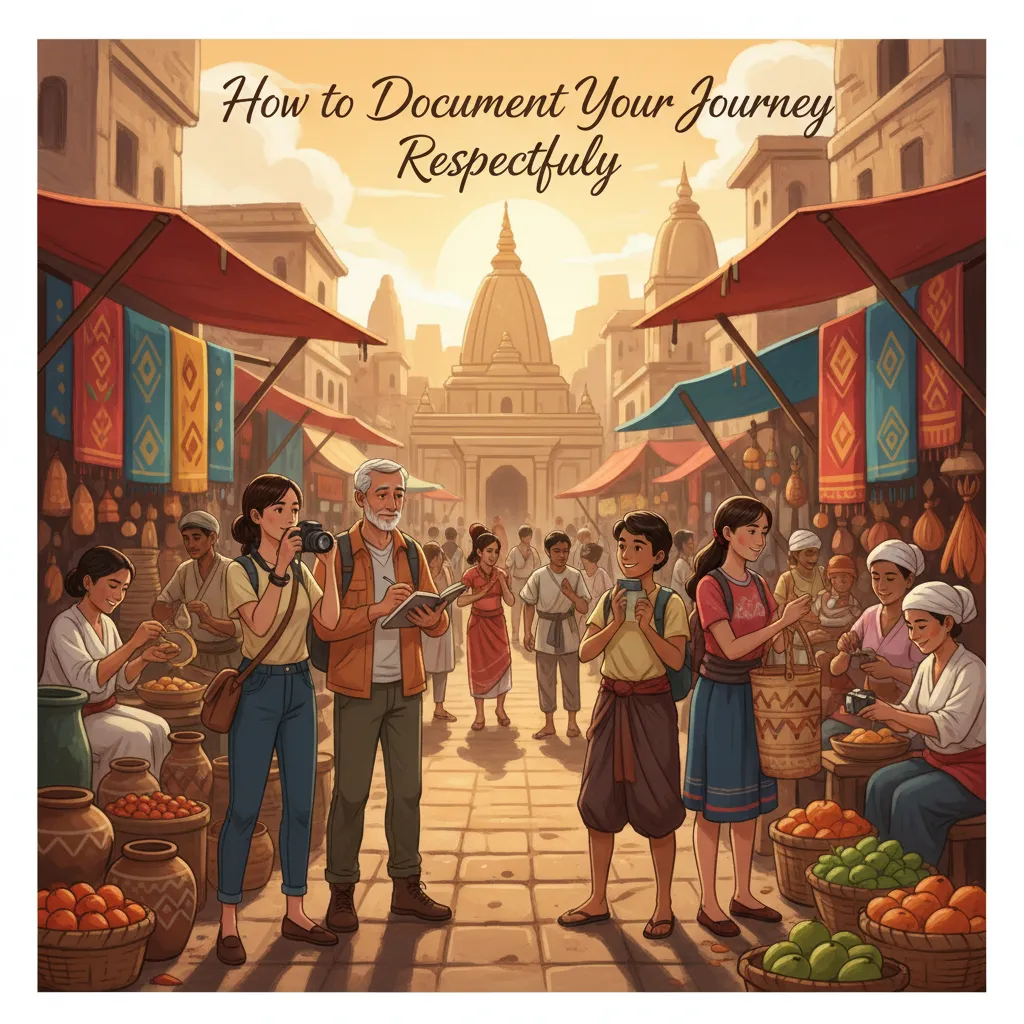
Preserving your memories is important, but how you document your trip matters. Taking a step back from the camera lens allows you to live in the moment.
The Art of Mindful Photography
Before raising your camera, spend time observing. Talk to the subject of your photo first. Ask about their day, buy their goods if they are a vendor, and then politely request a picture. If they decline, smile and move on. Prioritize ethical wildlife tourism by refusing to participate in animal photo props that exploit local fauna.
Journaling for Deeper Reflection
Keep a daily journal. Writing forces you to process your emotions and observations. Note the smells of the spice market, the texture of the architecture, and the exact words of a meaningful conversation. These sensory details fade quickly, but a written record preserves them forever.
Conclusion
Transform how you see the world entirely by embracing cultural immersion travel. Step outside your comfort zone, deeply respect local traditions, and create lifelong memories that matter. Ready to plan your next authentic adventure? Start researching community-led tours today, pack your bags, and embark on a life-changing journey!
FAQs
What exactly is cultural immersion travel?
It is a style of exploring where you actively engage with the local community, traditions, and daily life of a destination rather than just visiting popular tourist landmarks.
How do I find authentic local food?
Avoid restaurants clustered near major tourist attractions. Walk a few blocks away into residential neighborhoods, look for places crowded with locals, and ask residents for their personal recommendations.
Is it safe to stay in local neighborhoods?
Yes, residential neighborhoods are often very safe. Always practice common sense, research the specific areas beforehand, and ask your host or guesthouse owner about any places to avoid after dark.
Do I need to speak the language fluently?
No, fluency is not required. However, learning basic pleasantries like “hello,” “thank you,” and “please” goes a long way in showing respect and breaking the ice.
How can I participate in local traditions respectfully?
Always research the cultural significance of a tradition beforehand. Wait for an invitation to join in, dress appropriately, follow the lead of the locals, and remain observant and humble.
What is a local homestay?
A homestay is an accommodation arrangement where you rent a room in the home of a local family. It provides a firsthand look at daily domestic life and often includes home-cooked meals.
How do I avoid cultural faux pas?
Extensive pre-trip research is essential. Read up on common gestures, dress codes, tipping etiquette, and social norms. When in doubt, observe how the locals behave and mirror their actions.
Can families with children engage in this style of travel?
Absolutely. Children naturally break down social barriers and can make interacting with locals much easier. Just ensure activities are age-appropriate and maintain a flexible schedule.
What should I pack for an immersive trip?
Pack light and prioritize modest, adaptable clothing that blends in with local styles. Bring comfortable walking shoes, a reusable water bottle, and an open mind ready for unexpected adventures.
How does this style of travel benefit the destination?
It directs your tourism dollars to independent businesses, artisans, and families rather than large foreign corporations. This helps preserve cultural heritage and supports sustainable economic growth within the community.