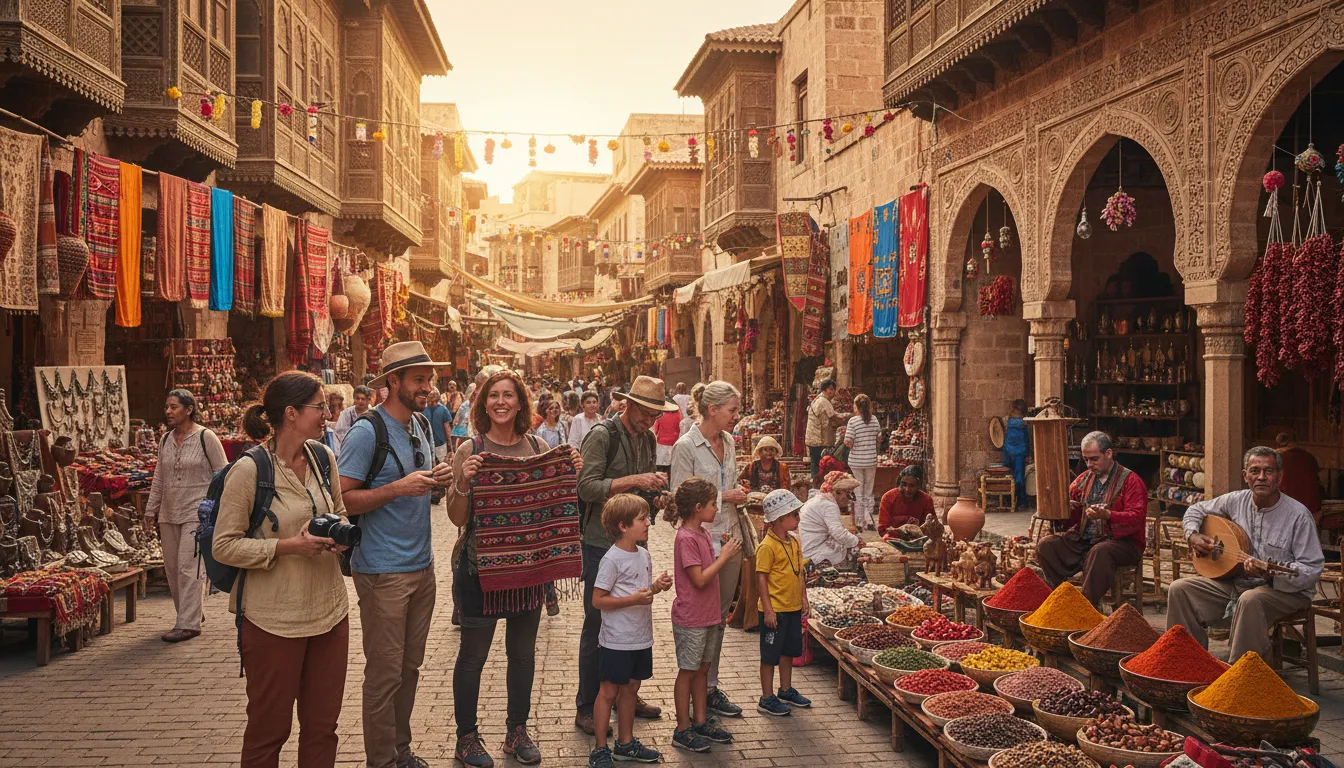
This comprehensive guide explores top destinations, authentic local festivals, and historical landmarks. You will learn expert strategies to engage responsibly with local communities, compare top global hotspots, and avoid common travel mistakes to ensure a truly immersive and enriching heritage experience.
Cultural Tourism Examples highlight how travelers can explore and experience the rich traditions, heritage, and lifestyles of different communities around the world. Instead of focusing only on sightseeing, Cultural Tourism Examples include engaging with local customs, festivals, food, and historical landmarks. For instance, visiting Kyoto offers insight into traditional tea ceremonies and ancient temples, while exploring Rome reveals centuries of art and architecture. Tourists can also discover iconic sites like the Great Wall of China or take part in vibrant celebrations such as Diwali. These Cultural Tourism Examples not only provide memorable travel experiences but also promote cultural understanding and support local communities. As interest in meaningful travel grows, Cultural Tourism Examples continue to inspire people to explore the world in a deeper, more authentic way.
The Global Rise of Heritage Travel
Travelers today want more than just a relaxing beach vacation. They seek connection, meaning, and a deeper understanding of the world. Heritage travel allows you to step into the shoes of those who came before us. By visiting ancient ruins, participating in local festivals, and tasting traditional foods, you actively participate in the living history of a destination.
Understanding the various cultural tourism examples helps you plan trips that leave a lasting impact on your worldview. Whether you want to explore ancient architectural marvels or immerse yourself in indigenous community practices, this form of travel fosters global empathy and supports local economies. It also directly funds the preservation of historical sites and traditional arts.
What Defines Authentic Cultural Travel?
Authentic cultural travel goes beyond visiting tourist traps. It involves engaging directly with the heart of a destination. This means staying in locally owned accommodations, hiring indigenous guides, and respecting local customs. When you focus on sustainable travel practices, you help ensure that these magnificent locations remain intact for future generations.
Top Cultural Tourism Examples Around the Globe
To truly understand this travel style, we must look at specific cultural tourism examples that highlight the diversity of human heritage. Here are some of the most impactful ways to experience global culture.
Historical Sites and Ancient Ruins
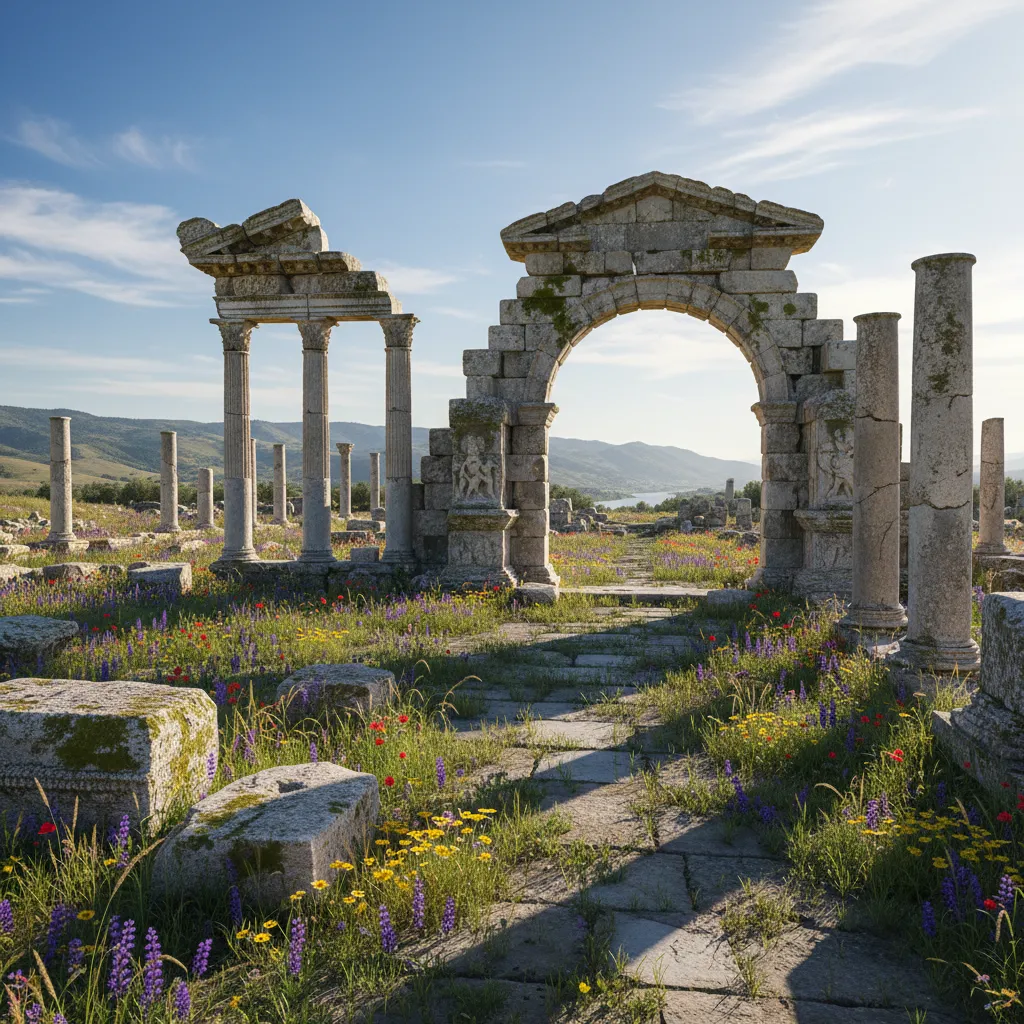
Nothing connects you to the past quite like standing in the shadow of an ancient monument. These sites tell the stories of lost civilizations, incredible engineering feats, and historical triumphs.
- Machu Picchu, Peru: High in the Andes Mountains, this Incan citadel represents a pinnacle of pre-Columbian architecture. Hiring a local Quechua guide provides deep insights into the spiritual and historical significance of the ruins.
- The Pyramids of Giza, Egypt: As the last remaining Wonder of the Ancient World, the pyramids offer a direct link to the pharaohs. Exploring the surrounding tombs and the Grand Egyptian Museum enriches the experience.
- Angkor Wat, Cambodia: This massive temple complex showcases the grandeur of the Khmer Empire. Exploring the intricate stone carvings at sunrise is a deeply spiritual experience.
By paying entrance fees to these UNESCO World Heritage Sites, you directly contribute to their ongoing excavation and heritage site preservation.
Immersive Local Festivals
Festivals offer a vibrant, sensory-rich window into the soul of a community. They celebrate everything from religious milestones to seasonal harvests.
- Día de los Muertos, Mexico: This colorful celebration honors deceased loved ones with marigolds, sugar skulls, and elaborate altars. It represents a beautiful blend of indigenous Aztec beliefs and Catholicism.
- Holi, India: Known as the Festival of Colors, Holi celebrates the arrival of spring and the triumph of good over evil. Participating in this joyful event allows travelers to connect with locals through shared celebration.
- Inti Raymi, Peru: This ancient Incan religious ceremony honors the sun god. Held annually in Cusco, it features traditional music, vibrant costumes, and historical reenactments.
Culinary Tourism and Gastronomy

Food is a universal language. Culinary tourism allows you to taste the history and geography of a region through its traditional dishes.
- Making Pasta in Italy: Learning to roll fresh pasta from an Italian nonna in Tuscany connects you to generations of culinary tradition.
- Street Food in Thailand: Navigating the bustling night markets of Bangkok introduces you to complex flavor profiles that reflect the country’s diverse agricultural history.
- Wine Tasting in France: Visiting centuries-old vineyards in Bordeaux teaches you about the concept of terroir and the historical importance of winemaking in French culture.
Indigenous and Community-Based Tourism
Engaging with indigenous communities offers some of the most profound cultural tourism examples available today. This approach empowers local populations and preserves endangered traditions.
- Maori Cultural Tours in New Zealand: Visitors learn about traditional carving, weaving, and the significance of the haka directly from Maori guides.
- The San People of Southern Africa: Walking with San trackers in the Kalahari Desert reveals ancient survival skills and a profound connection to the natural world.
- Hill Tribe Treks in Southeast Asia: Visiting the remote villages of Northern Thailand or Vietnam offers a glimpse into traditional agricultural practices and unique artisan crafts.
Always prioritize operators that emphasize ethical community engagement to ensure your visit benefits the local people.
Art, Museums, and Architecture

For those who appreciate the finer details of human creativity, exploring a destination’s artistic output is essential.
- The Louvre in Paris: Housing thousands of works of art, this museum offers a comprehensive timeline of human creativity from ancient civilizations to the 19th century.
- Gaudí’s Barcelona: The modernist architecture of Antoni Gaudí, including the Sagrada Família, defines the cultural landscape of Catalonia.
- Kyoto’s Traditional Ryokans: Staying in a traditional Japanese inn exposes you to the minimalist beauty of Japanese architecture, tatami mats, and traditional tea ceremonies.
Comparing Popular Destinations
When deciding where to go, it helps to understand what different regions offer. This comparison table breaks down popular cultural hotspots.
|
Destination |
Primary Cultural Focus |
Best Time to Visit |
Immersion Level |
|---|---|---|---|
|
Kyoto, Japan |
Traditional Arts, Temples, Tea Ceremonies |
Spring (Cherry Blossoms) |
High |
|
Cusco, Peru |
Incan History, Indigenous Festivals |
June (Inti Raymi Festival) |
High |
|
Rome, Italy |
Ancient Ruins, Renaissance Art, Gastronomy |
Sept – Oct (Harvest Season) |
Medium |
|
Cairo, Egypt |
Ancient History, Islamic Architecture |
Nov – March (Cooler Weather) |
Medium |
|
Oaxaca, Mexico |
Indigenous Crafts, Culinary, Festivals |
Late Oct (Día de los Muertos) |
High |
Choosing the right destination depends on your personal interests, whether you prefer wandering through quiet museums or dancing in the streets during a lively festival.
Common Mistakes to Avoid When Planning Your Trip
Even well-intentioned travelers can make missteps. Avoid these common errors to ensure your trip is respectful and rewarding.
- Treating Locals Like Exhibits: Remember that you are visiting people’s homes and communities. Always ask permission before taking photographs, especially of children or religious ceremonies.
- Ignoring Local Dress Codes: Many historical and religious sites require modest clothing. Research the cultural norms before packing your bags to avoid causing offense or being denied entry.
- Rushing Through Sites: Trying to see too much in one day leads to cultural burnout. Slow down. Spend an afternoon sitting in a local cafe observing daily life rather than sprinting between monuments.
- Keeping Your Money in Tourist Bubbles: Avoid international chain hotels and restaurants. Spend your money at locally owned businesses to support the regional economy. The World Tourism Organization emphasizes that keeping tourism revenue local is vital for sustainable development.
Taking the time to understand responsible tourism guidelines transforms you from a typical tourist into a conscientious global citizen.
Expert Insights and Pro Tips for Authentic Travel
To elevate your journey, consider these advanced strategies used by seasoned travelers.
- Learn a Few Key Phrases: You do not need to be fluent, but learning how to say “hello,” “please,” and “thank you” in the local language opens doors and shows respect.
- Hire Local Guides: A guidebook can only tell you so much. A local guide shares personal anecdotes, family histories, and contextual nuances that you will never find in print.
- Travel During the Shoulder Season: Visiting just before or after the peak tourist season allows you to interact with locals more authentically, as they are less overwhelmed by crowds.
- Embrace the Unexpected: Cultural travel is rarely predictable. When a bus breaks down or a museum is closed, look for the silver lining. Often, the best cultural interactions happen during unplanned moments.
Connecting with organizations like Sustainable Travel International can provide further resources for planning trips that leave a positive footprint.
Conclusion
Cultural tourism examples span from tasting street food in Bangkok to exploring ancient ruins in Peru. By embracing these diverse experiences, you expand your worldview and support local economies. Take the leap, prioritize authentic connections, and start planning your next transformative heritage journey today.
FAQs
What are the best cultural tourism examples for beginners?
For beginners, visiting well-established historical cities like Rome or Kyoto is ideal. These destinations offer accessible infrastructure, English-speaking guides, and a high concentration of museums, ruins, and traditional arts that make cultural immersion easy and safe.
How does cultural tourism benefit local communities?
It provides direct economic support by creating jobs for guides, artisans, and hospitality workers. Furthermore, it incentivizes governments and communities to preserve their historical sites, traditional languages, and customs, preventing the loss of vital human heritage.
Is culinary tourism considered a cultural experience?
Absolutely. Food is deeply intertwined with a region’s history, agriculture, and social customs. Taking a cooking class, visiting a local market, or dining at a traditional family-run restaurant offers profound insights into the daily lives and traditions of the local people.
How can I ensure my heritage travel is ethical?
Research your operators thoroughly. Choose companies that hire local staff, pay fair wages, and reinvest in the community. Respect local dress codes, ask permission before taking photos, and prioritize spending your money at locally owned businesses rather than international chains.
What is community-based tourism?
Community-based tourism occurs when local residents invite travelers into their communities, managing the experiences themselves. This ensures that the economic benefits remain within the community and that cultural exchanges are authentic, respectful, and controlled by the locals.
Why is it important to use local guides?
Local guides possess generational knowledge and personal connections to the history of a place. They provide context and storytelling that guidebooks simply cannot offer. Hiring them also ensures that your tourism dollars directly support the local economy.
Can cultural tourism help preserve endangered traditions?
Yes. When travelers show genuine interest in traditional crafts, music, and ceremonies, it gives younger generations an economic incentive to learn and preserve these skills. Tourism can transform a dying art form into a viable, respected livelihood.
What should I pack for a cultural trip?
Pack versatile, modest clothing. Many religious and historical sites require covered shoulders and knees. Comfortable walking shoes are essential, as you will likely spend hours exploring ruins or city streets. Always bring an open mind and a respectful attitude.
How do I find authentic local festivals to attend?
Research the destination’s cultural calendar well in advance. Look beyond major international events and search for regional harvest festivals, religious processionals, or local art fairs. Connecting with local tourism boards or community social media pages often reveals hidden gems.
What is the difference between cultural tourism and regular tourism?
Regular tourism often focuses on leisure, relaxation, and escapism, such as staying at an all-inclusive beach resort. Cultural tourism focuses on education, immersion, and engagement. It requires active participation in learning about the history, people, and traditions of the destination.