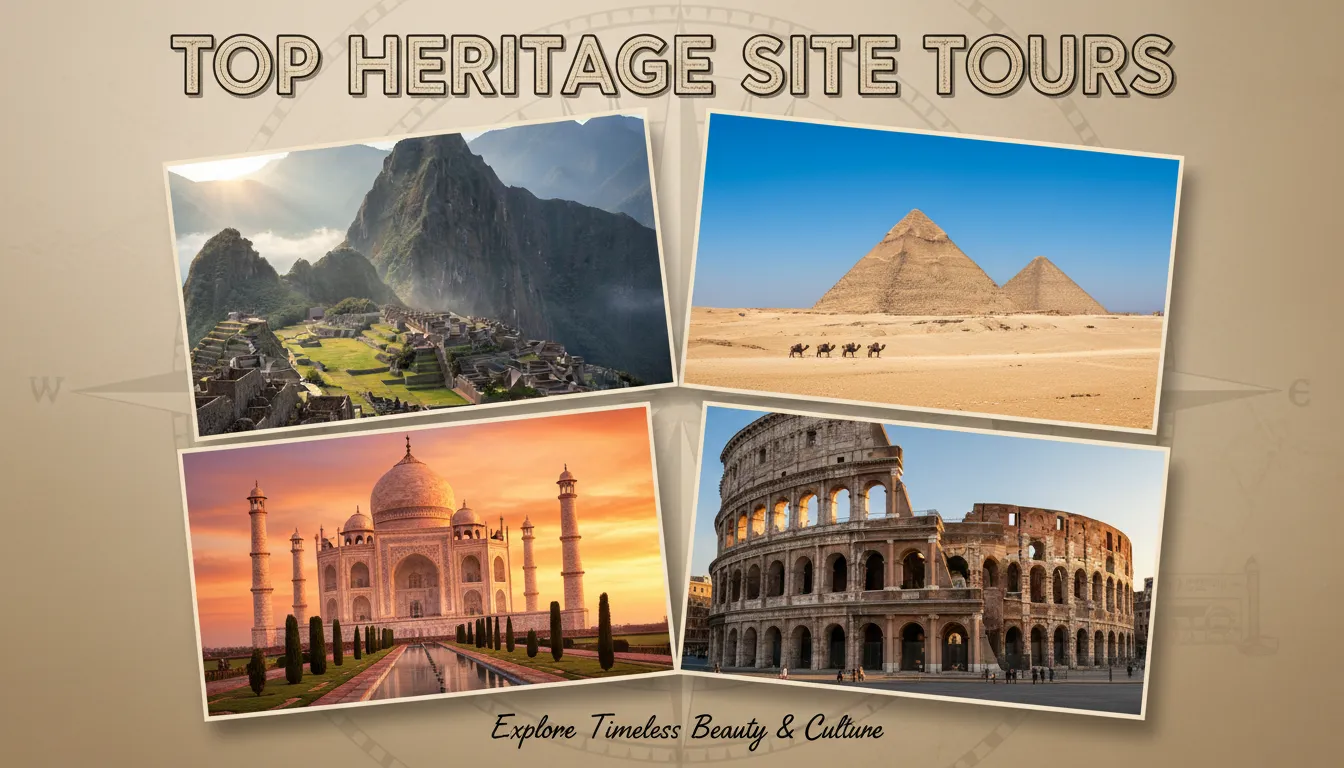
A comprehensive guide to heritage site tours, exploring iconic destinations, offering travel tips, avoiding common mistakes, and promoting sustainable tourism for an enriching, respectful, and unforgettable historical journey.
This comprehensive guide explores the absolute best historical destinations across the globe. You will uncover actionable travel tips, discover common pitfalls to avoid, and gain expert insights for planning culturally enriching journeys that transform how you view human history.
Why Heritage Site Tours Transform Your Travel Experience
Traveling offers more than just a chance to relax on a beach or sample new cuisines. Delving into the past provides a profound connection to the generations that came before us. When you participate in carefully curated heritage site tours, you actively engage with the remnants of ancient empires, architectural marvels, and sacred landscapes. These experiences foster a deep appreciation for human resilience and creativity.
Walking through ancient ruins or standing beneath towering monuments allows you to visualize history beyond the pages of a textbook. You gain a visceral understanding of the cultural preservation efforts required to maintain these historical landmarks. By choosing to explore these protected areas, you also contribute to local economies and fund ongoing archaeological research. You help ensure that these irreplaceable treasures remain intact for future explorers.
Breathtaking Destinations for Your Next Adventure
The globe is dotted with remarkable locations recognized for their outstanding universal value. Whether you seek the high-altitude mysteries of South America or the desert monuments of the Middle East, the right destination will leave you speechless. Here is a deep dive into some of the most awe-inspiring locations you should consider for your upcoming travels.
Machu Picchu: The Lost City of the Incas
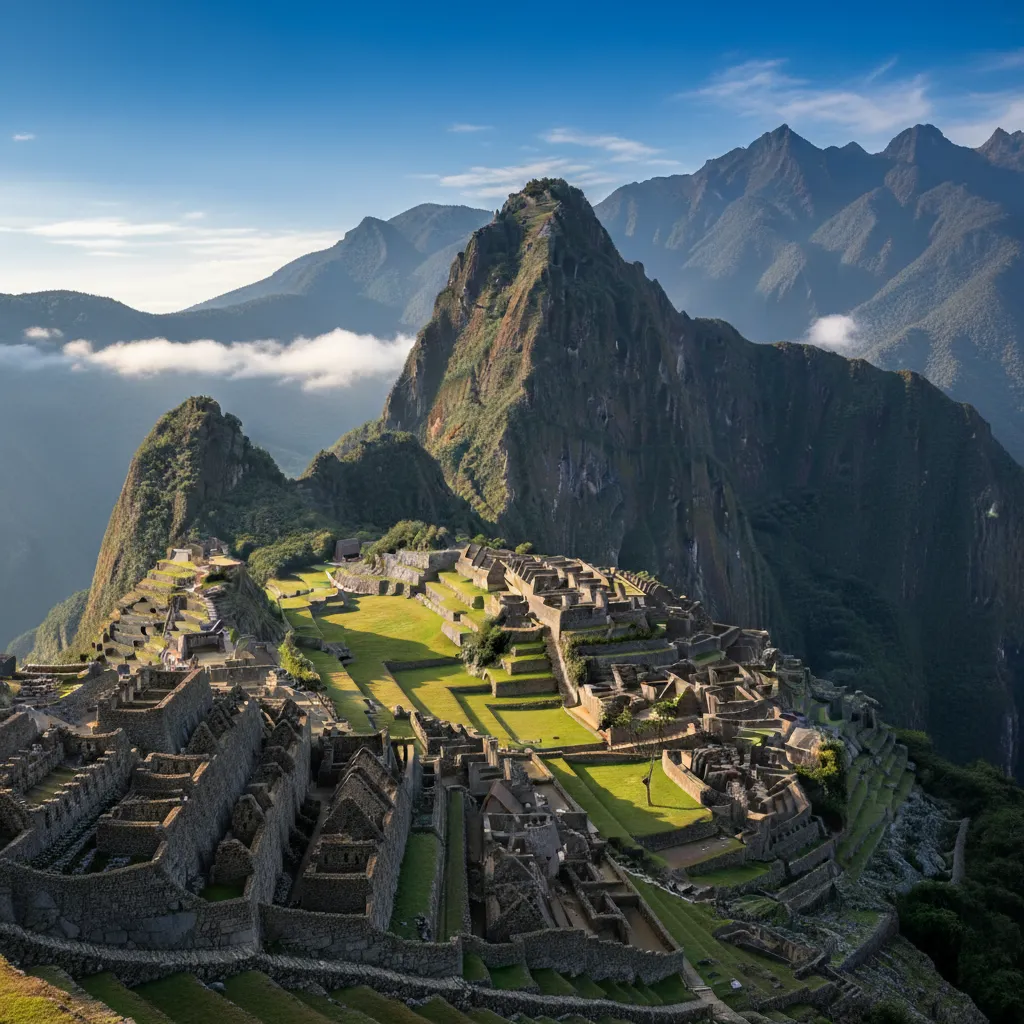
Hidden high in the Andes Mountains of Peru, Machu Picchu stands as a testament to the engineering genius of the Inca Empire. Constructed in the fifteenth century, this citadel features sophisticated dry-stone walls that fuse seamlessly with the natural landscape. The precise cut of the stones has allowed the structures to withstand centuries of earthquakes.
Visiting Machu Picchu requires careful planning. Many travelers opt to hike the classic Inca Trail, a multi-day trek that winds through cloud forests and alpine tundra. This route rewards hikers with a stunning sunrise arrival at the Sun Gate. Alternatively, you can take a scenic train ride from Cusco or the Sacred Valley. Regardless of how you arrive, navigating the terraced fields and ceremonial temples offers an unparalleled glimpse into pre-Columbian history. You should spend time exploring heritage site tours the Temple of the Sun and the Intihuatana stone, which ancient astronomers used to track the solstices.
Petra: The Rose City of Jordan
Carved directly into vibrant red sandstone cliffs, Petra was the thriving capital of the Nabataean Kingdom over two millennia ago. This sprawling archaeological park in Jordan captivates visitors from the moment they enter the Siq, a narrow gorge flanked by towering rock walls. The path dramatically opens up to reveal the Treasury, Petra’s most iconic and elaborately decorated facade.
Beyond the Treasury, the ancient city expands into a vast network of tombs, amphitheaters, and temples. For those willing to challenge themselves physically, the steep climb up hundreds of rock-cut steps to the Monastery is highly recommended. The Monastery is larger than the Treasury and offers sweeping views of the surrounding valleys. Exploring Petra requires sturdy footwear and plenty of water, as the desert climate can be unforgiving.
The Pyramids of Giza: Egypt’s Ancient Marvels
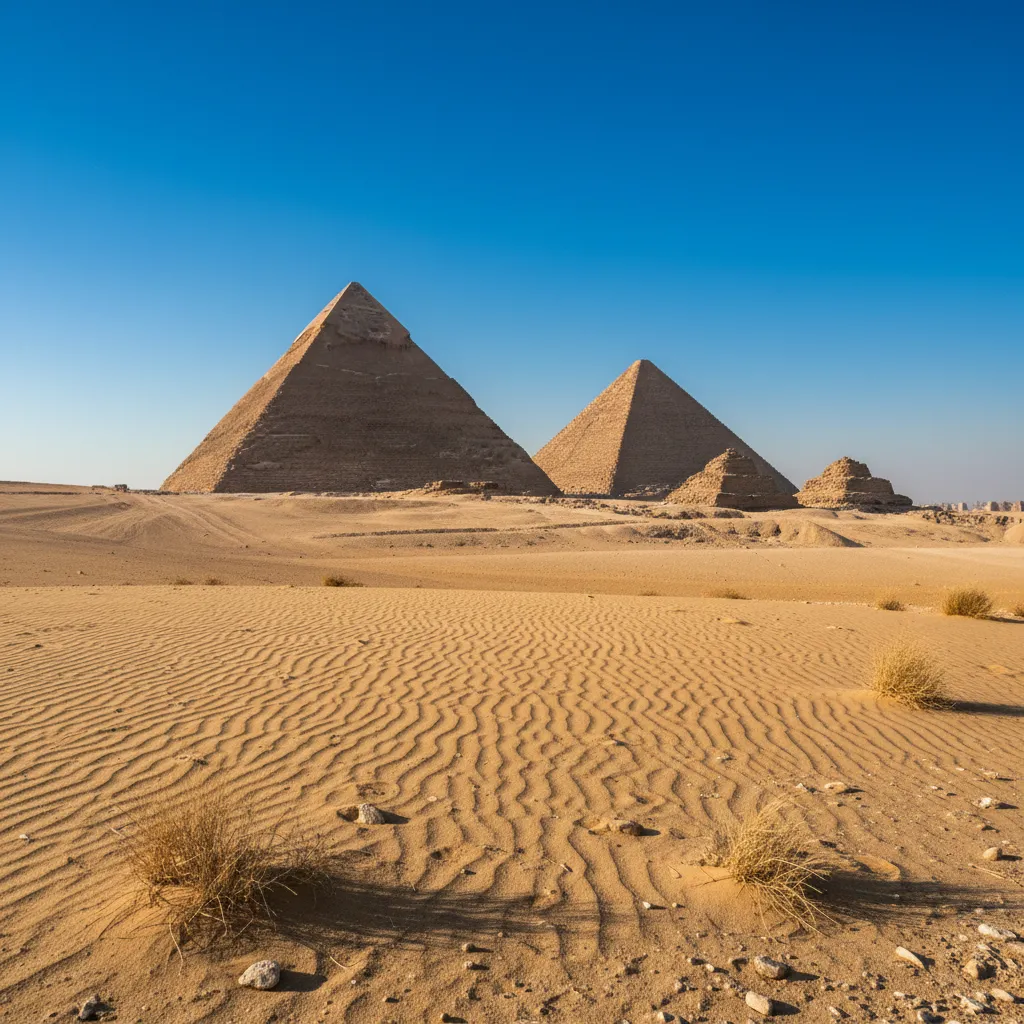
No list of historical landmarks is complete without mentioning the Great Pyramids of Giza. Located just outside Cairo, these monumental tombs were built for the pharaohs Khufu, Khafre, and Menkaure during Egypt’s Old Kingdom. The Great Pyramid of Khufu remains the only surviving structure of the original Seven Wonders of the Ancient World.
Standing at the base of these colossal monuments provides a humbling perspective on ancient Egyptian ambition. You can venture inside the pyramids to explore the narrow, descending passageways leading to the burial chambers. Nearby, the Great Sphinx guards the plateau with the body of a lion and the head of a pharaoh. Partnering with knowledgeable Egyptologists enhances the experience, as they can decode the hieroglyphics and explain the complex religious beliefs surrounding the afterlife.
The Colosseum and Historic Rome
Rome is a living museum where modern life bustles alongside ancient ruins. At the heart of the city stands the Colosseum, the largest amphitheater ever built. During the peak of the Roman Empire, this massive arena hosted gladiatorial contests, animal hunts, and mock sea battles for crowds of up to eighty thousand spectators.
Walking through the subterranean hypogeum reveals the complex network of tunnels and cages used to stage these elaborate spectacles. Adjacent to the Colosseum, the Roman Forum serves as the sprawling epicenter of ancient civic life. Here, you can wander among the remains of important government buildings, temples, and bustling marketplaces. Taking guided historical walks through Rome provides crucial context, turning scattered columns into a vibrant picture of an empire that shaped Western civilization. According to experts at National Geographic, understanding the socio-political climate of ancient Rome is essential for appreciating its architectural remnants.
The Great Wall of China
Stretching thousands of miles across northern China, the Great Wall represents an astonishing feat of military engineering. Successive dynasties built and rebuilt these fortifications over centuries to protect their territories from nomadic invasions. The most well-preserved sections, such as Badaling and Mutianyu, date back to the Ming Dynasty.
Hiking along the undulating path of the heritage site tours wall offers breathtaking views of rugged mountains and dense forests. You will encounter ancient watchtowers where soldiers once signaled approaching threats using smoke and fire. Visiting during the spring or autumn provides the most comfortable weather for steep climbs. Exploring the Great Wall allows you to reflect on the immense human labor and strategic foresight required to execute such a colossal project.
Stonehenge: England’s Prehistoric Mystery
Set against the rolling landscape of Salisbury Plain, Stonehenge is Europe’s most famous prehistoric monument. This circular arrangement of massive standing stones dates back roughly five thousand years. The true purpose of Stonehenge remains a subject of intense archaeological debate, though its precise alignment with the midsummer sunrise and midwinter sunset points to significant astronomical and religious functions.
When you visit, the sheer size of the sarsen stones and bluestones will leave you wondering how Neolithic builders transported and erected them without modern machinery. The visitor center provides excellent exhibitions featuring archaeological artifacts and forensic reconstructions. For a truly unique experience, book a special access tour that allows you to walk inside the inner stone circle outside of regular public hours.
Chichen Itza: Mayan Astronomical Genius
Located on the Yucatan Peninsula of Mexico, Chichen Itza was a dominant urban center of the Maya civilization. The site is dominated by El Castillo, a spectacular step pyramid dedicated to the feathered serpent deity Kukulkan. The pyramid serves as a massive stone calendar, with its steps totaling three hundred and sixty-five, representing the days of the solar year.
During the spring and autumn equinoxes, the late afternoon sun creates an illusion of a serpent slithering down the northern staircase. Beyond El Castillo, the site features the Great Ball Court, the Temple of the Warriors, and the Sacred Cenote, a natural sinkhole used for ritual offerings. Taking the time to understand Mayan cosmology and mathematics will deeply enrich your visit to this spectacular location.
Structuring Your Historical Journey: A Comparison Table
Choosing the right destination depends heavily on your physical fitness, travel schedule, and personal interests. Use this comparison table to evaluate some of the top global destinations.
|
Heritage Destination |
Country |
Best Time to Visit |
Physical Difficulty |
Primary Highlight |
|---|---|---|---|---|
|
Machu Picchu |
Peru |
May to October |
High (Altitude/Trekking) |
Inca Architecture |
|
Petra |
Jordan |
March to May |
Moderate to High |
Rock-cut Facades |
|
Angkor Wat |
Cambodia |
November to February |
Low to Moderate |
Jungle Temples |
|
Pyramids of Giza |
Egypt |
October to April |
Low |
Ancient Monuments |
|
The Colosseum |
Italy |
April to June |
Low |
Roman Engineering |
|
Great Wall |
China |
September to November |
High (Steep stairs) |
Military Fortifications |
|
Stonehenge |
UK |
June to August |
Low |
Neolithic Mystery |
Common Mistakes to Avoid When Booking Cultural Expeditions
Even experienced travelers heritage site tours can fall into traps when organizing visits to globally recognized landmarks. Avoiding these common mistakes will save you time, money, and frustration while ensuring a respectful and enriching experience.
First, never underestimate the necessity of booking tickets well in advance. Many popular destinations have implemented strict daily visitor caps to prevent overcrowding and environmental degradation. Arriving without a pre-purchased ticket often results in being turned away at the gate.
Second, avoid packing heavily. Dragging cumbersome luggage through cobblestone streets or up steep mountain trails will quickly drain your energy. Prioritize lightweight, breathable clothing and comfortable walking shoes.
Third, do not attempt to squeeze too many sites into a single day. Temple fatigue and ruin exhaustion are real phenomena. When you rush from one monument to the next without pausing to absorb the atmosphere, the locations begin to blur together. Schedule ample downtime to sit, reflect, and engage with the local culture.
Finally, ignoring local customs and dress codes shows a lack of respect for the host country. Many religious and historical sites require visitors to cover their shoulders and knees. Always research the cultural norms of your destination and pack a lightweight scarf or sarong to ensure you comply with modesty requirements.
Expert Insights and Pro Tips for Your Journey
Maximizing the value of your travels requires insider knowledge. Follow these pro tips to elevate your cultural exploration from a standard vacation to an extraordinary educational adventure.
Hire certified local guides whenever possible. While guidebooks and audio tours provide baseline facts, a passionate local expert breathes life into the ruins. They share regional folklore, point out easily missed architectural details, and provide context regarding how the ancient site connects to modern local identity. Organizations like the UNESCO World Heritage Centre emphasize the importance of community involvement in heritage management.
Timing your visit is crucial for both photography and comfort. Arrive as soon as the gates open or linger until the late afternoon. You will avoid the massive crowds that arrive on mid-day tour buses and benefit from the soft, golden light that makes ancient stones glow.
Venture beyond the main attractions. The most famous structure at an archaeological park draws the heaviest crowds, but surrounding ruins often offer equal beauty and total solitude. Spend time wandering the secondary trails to discover hidden carvings and quiet courtyards.
Keep a travel journal. Jot down your impressions, sketch architectural features, and record the stories your guides tell you. The physical act of writing helps cement the memories in your mind far better than snapping hundreds of digital photos.
The Impact of Sustainable Tourism on Ancient Landmarks
As global travel becomes more accessible, the strain on fragile historical environments increases. Implementing sustainable tourism strategies is vital for preserving these sites for future generations. As a responsible traveler, your choices have a direct impact on the longevity of the locations you visit.
Always practice “Leave No Trace” principles. Never touch delicate carvings, lean on fragile walls, or collect stones and pottery shards as souvenirs. The oils and acids on human skin cause irreversible damage to porous ancient materials. Stay on marked pathways to avoid eroding the surrounding soil and disturbing unexcavated areas.
Support the local economy by purchasing authentic, locally made handicrafts rather than cheap imported souvenirs. Eat at family-owned restaurants and stay in locally operated guesthouses. When the surrounding community benefits financially from tourism, they are more incentivized to protect and maintain the archaeological sites.
Consider visiting during the heritage site tours shoulder season or off-season. This distributes the economic benefits of tourism throughout the year and reduces the intense environmental pressure caused by peak-season crowds. Your experience will also be much more relaxed and intimate.
How to Choose the Right Guided Experience
Selecting the proper tour operator is a critical component of trip planning. You want to ensure that the company you choose prioritizes education, safety, and ethical practices. Applying E-E-A-T (Experience, Expertise, Authoritativeness, and Trustworthiness) principles will help you evaluate potential operators.
Look for companies with extensive experience operating in your specific destination. They should have a deep network of local contacts and a proven track record of navigating complex logistical challenges, such as securing permits and arranging reliable transportation.
Evaluate the expertise of the guides they employ. The best operators hire guides who hold degrees in archaeology, history, or art history. Read through customer reviews to gauge the authoritativeness of the information provided during the excursions.
Trustworthiness is demonstrated through transparent pricing, clear cancellation policies, and a stated commitment to sustainable practices. Reputable companies, such as those vetted by the World Monuments Fund, actively invest a portion of their profits back into the conservation of the sites they visit.
Preparing Mentally and Physically for Your Adventure
Exploring ancient ruins is rarely heritage site tours a passive activity. It often involves navigating uneven terrain, climbing steep steps, and enduring extreme weather conditions. Preparing yourself physically before departure will make your trip significantly more enjoyable.
Begin a moderate walking regimen several weeks before your trip. Break in the specific shoes you plan to wear to avoid painful blisters. If your destination is at a high altitude, consult with your physician about medication to prevent altitude sickness and plan to spend a few days acclimatizing before undertaking strenuous hikes.
Mentally prepare by reading historical non-fiction, watching documentaries, or listening to podcasts about the civilization you are about to encounter. Having a foundational understanding of the historical timeline and cultural significance transforms a pile of rubble into a fascinating historical narrative.
Documenting Your Experience Through Photography
Capturing the majesty of heritage site tours monumental architecture requires a thoughtful approach to photography. Rather than simply snapping standard postcard shots, focus on capturing the essence and scale of the location.
Use people in your frame to provide a sense of scale. A towering temple wall looks much more impressive when a small human figure is positioned at its base. Look for unique framing opportunities, such as shooting through an ancient doorway or utilizing an overhanging branch.
Pay attention to details. Photograph the intricate carvings, the texture of the stone, and the way light plays across a crumbling facade. These close-up shots add depth and texture to your travel album. Always be respectful when photographing local people; ask for permission before taking their portrait and respect their wishes if they decline.
The Future of Global Heritage Preservation

The ongoing preservation of heritage site tours of human history requires constant vigilance and adaptation. Climate change, natural disasters, and over-tourism pose significant threats to the world’s most treasured locations. Innovative technologies, such as 3D laser scanning and digital reconstruction, are playing an increasingly important role in documenting and monitoring structural degradation.
However, technology alone cannot save these sites. It requires a collective global effort from governments, conservation organizations, and responsible travelers. By participating in heritage site tours with a mindset of respect and curiosity, you become an active participant in the ongoing narrative of human history. You carry the stories of the past into the future, ensuring that the legacy of our ancestors continues to inspire and educate.
Conclusion
Exploring the world through heritage site tours offers an unparalleled opportunity to connect with the remarkable heritage site tours achievements of early civilizations. By planning carefully, avoiding common mistakes, and embracing sustainable travel practices, you ensure your journey is both impactful and respectful. Start crafting your itinerary today and prepare to experience the profound beauty of our shared human history.
FAQs
What are the main benefits of taking historical vacations?
Traveling to historical locations allows you to experience ancient cultures firsthand, visually heritage site tours grasp human history, and appreciate architectural marvels. It deepens your understanding of the world and fosters a profound connection to ancestry.
How far in advance should I book my tickets to ancient landmarks?
You should book tickets at least three to six months in advance, especially for highly popular destinations that enforce daily visitor caps, like Machu Picchu or the Colosseum.
Are these types of trips suitable for children?
Yes, many destinations are excellent for children. However, you should evaluate the physical demands and the climate of the specific location. Opt for engaging, family-friendly guides who can bring history to life for younger audiences.
What is the best way to handle extreme heat at desert locations?
Start your explorations very early in the morning or late in the afternoon. Wear lightweight, breathable clothing, use a wide-brimmed hat, apply sunscreen, and carry plenty of drinking water to stay hydrated.
Do I need a local guide, or can I explore independently?
While independent exploration is possible, hiring a certified local expert provides crucial historical context, heritage site tours regional folklore, and navigational ease that you cannot get from a standard guidebook.
How can I ensure my visit is environmentally sustainable?
Practice “Leave No Trace” principles. Do not touch or climb on fragile ruins, stay on designated paths, avoid purchasing souvenirs made from looted artifacts, and support the local community by buying authentic goods.
What type of footwear is best for exploring archaeological parks?
Wear sturdy, closed-toe walking shoes or hiking boots with excellent traction. Ancient ruins feature heritage site tours uneven ground, loose stones, and steep, slippery stairs that make sandals or flip-flops dangerous.
How do I manage altitude sickness when visiting elevated ruins?
Consult your doctor for preventive medication prior to travel. Once you arrive, spend at least two days acclimatizing at a lower elevation before tackling high-altitude hikes. Drink plenty of water and avoid alcohol.
Can I fly a drone to take photos of historical monuments?
Most globally protected landmarks strictly prohibit the use of drones to protect both the structures and the visitor experience. Always check the specific rules of the site and the local aviation laws before packing your drone.
What should I carry in my daypack during an excursion?
Carry essentials such as water, a physical map, sunscreen, a lightweight rain jacket or scarf, a camera, extra batteries, and a heritage site tours small first-aid kit for blisters or minor scrapes. Avoid overpacking to conserve your energy.