This comprehensive guide explores the oldest building in the world and other ancient marvels. You will learn about their construction, purpose, and survival. We cover everything from Turkish temple complexes to French burial mounds, offering actionable insights into preserving and understanding our shared monumental heritage.
Finding the oldest building in the world changes how we view human history. These incredible structures reveal the brilliance, dedication, and survival of our earliest ancestors. The oldest building in the world is Göbekli Tepe, a remarkable archaeological site in Turkey. Dating back over 11,000 years, it reveals early human innovation, spirituality, and architectural skill. This ancient structure challenges traditional history, showing that complex societies existed long before agriculture and modern civilizations emerged.
When you ask experts to identify the oldest building in the world, the answer depends on how you define a building. Is it a home? A temple? A monument? Our ancestors used stone, earth, and wood to create structures that have survived millennia. By studying these sites, we gain immense knowledge about early human civilization, engineering, and cultural evolution.
Understanding ancient architecture requires looking beyond simple shelters. We must examine monumental construction where humans deliberately gathered to build something meant to last. As we journey through time, we will explore several contenders that showcase the incredible ingenuity of early builders.
Göbekli Tepe
Located in southeastern Turkey, Göbekli Tepe forces archaeologists to rethink everything they know about early human history. Dating back to around 9500 BCE, it is widely considered the oldest building in the world.
Architectural Marvels of the Pre-Pottery Neolithic
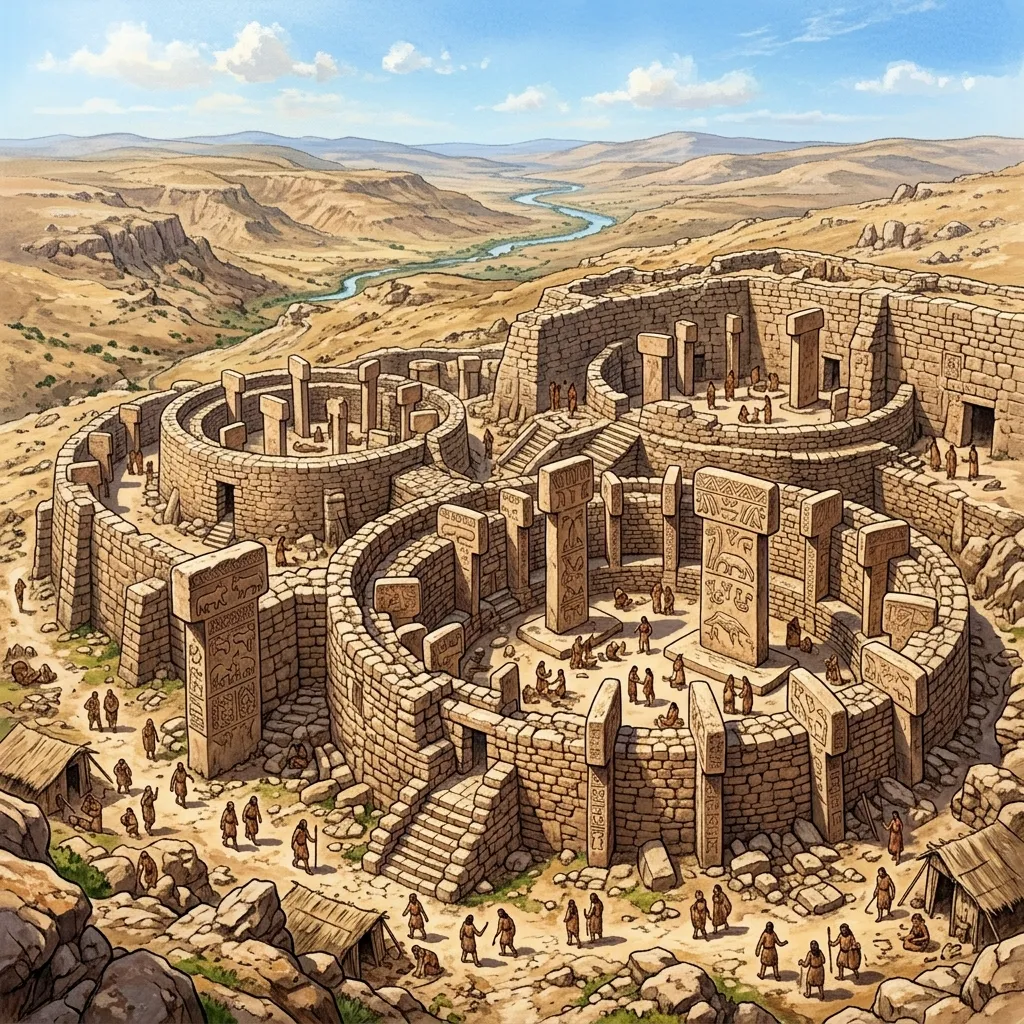
Göbekli Tepe consists of massive circular enclosures made of monumental T-shaped limestone pillars. Some of these pillars weigh up to 10 tons. The builders dragged these massive stones from nearby quarries using sheer human strength, long before the invention of the wheel or metal tools. The pillars are intricately carved with depictions of wild animals, including lions, foxes, scorpions, and vultures.
Purpose and Cultural Significance
Archaeologists believe Göbekli Tepe was a massive religious sanctuary. It served as a gathering place for hunter-gatherers rather than a permanent settlement. This challenges the long-held belief that agriculture led to the construction of large temples. Instead, the desire to worship and gather may have driven these early humans to settle and invent farming to feed the large workforce required for construction.
Cairn of Barnenez
Moving to northern France, we find the Cairn of Barnenez. Dating back to 4800 BCE, this massive megalithic monument is the largest mausoleum in Europe and holds a prominent place in the discussion of ancient structures.
The Construction Phases
The Cairn of Barnenez was built in two distinct phases. The first phase utilized dolerite, a fine-grained local rock, to create a series of passage graves. Hundreds of years later, the second phase expanded the structure using coarse-grained granite. This massive artificial hill spans 72 meters in length and contains eleven different passage tombs.
Funerary Practices and Society
The sheer size of Barnenez indicates a highly organized society. Building such a structure required advanced planning, massive labor coordination, and a deep reverence for the dead. The monument served as a communal burial site, acting as a portal to the afterlife. Intricate carvings found on some of the interior stones suggest a rich symbolic culture among these early farming communities. To learn more about megalithic monuments, you can visit the UNESCO World Heritage Centre.
Tumulus of Bougon
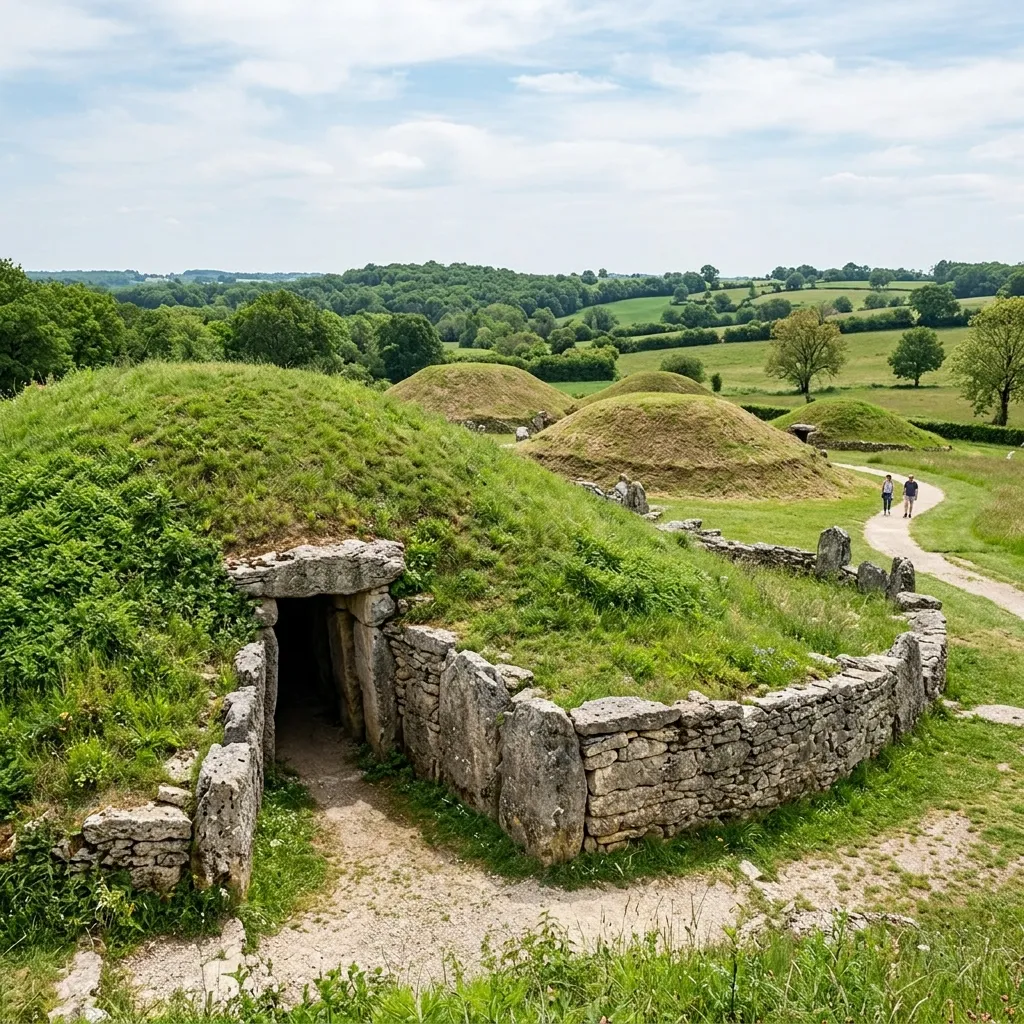
Also located in France, the Tumulus of Bougon is a complex of five megalithic burial mounds dating from 4700 to 3500 BCE.
Dry Stone Walling Techniques
The builders of Bougon used sophisticated dry stone walling to construct the burial chambers and the retaining walls of the mounds. They carefully stacked stones without mortar, relying on gravity and friction to hold the structures together. One of the most fascinating aspects of Bougon is the use of corbelled vaults, where each layer of stone edges slightly inward until they meet at the top.
A Window into Early Communities
The artifacts discovered at Bougon, including pottery, stone tools, and personal ornaments, provide a direct link to the daily lives of the builders. The site clearly shows that these early societies valued their ancestors and possessed the engineering skills necessary to build monuments that would endure for thousands of years.
Uruk
Uruk, located in modern-day Iraq, is celebrated not just for a single building, but as one of the first true cities in human history. Emerging around 4000 BCE, Uruk represents a massive leap in human development.
The Birth of Mudbrick Architecture
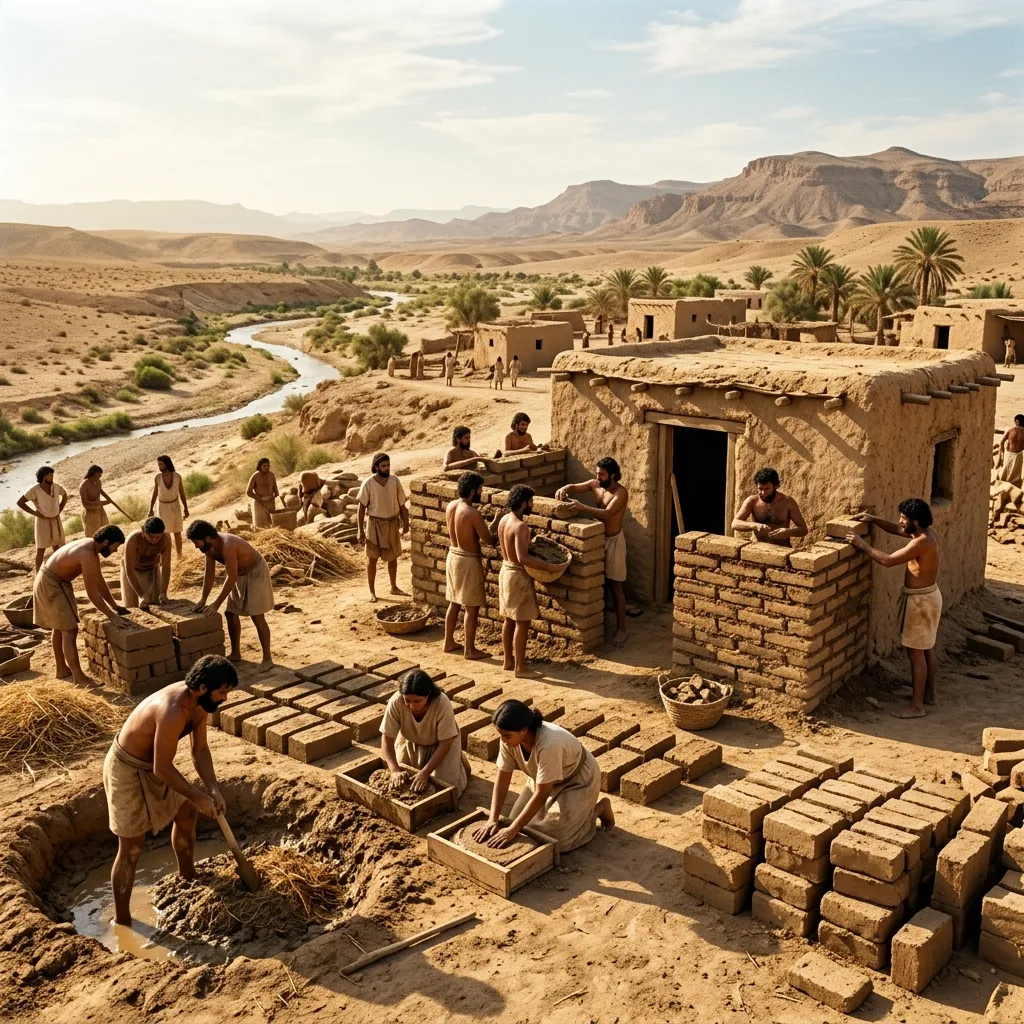
Unlike the stone monuments of Europe, Uruk was built primarily using mudbrick. The builders mixed clay, water, and organic materials like straw, formed them into bricks, and baked them in the sun. This technique allowed for rapid and extensive construction. Uruk featured monumental temples, vast residential areas, and massive defensive walls. The White Temple, dedicated to the sky god Anu, stood on a massive ziggurat-like platform, dominating the city’s skyline.
Urbanization and Writing
Uruk is also famous for being the birthplace of cuneiform writing, initially developed to manage the complex administration of the city’s vast agricultural and trade networks. Uruk represents the transition from village life to complex urban society, setting the blueprint for future civilizations.
Knap of Howar
On the remote island of Papa Westray in Scotland sits the Knap of Howar, dating back to 3700 BCE. This site is celebrated as the oldest preserved stone house in northern Europe.
Domestic Architecture
The Knap of Howar consists of two interconnected rectangular stone buildings. The walls were built using local stones and survive to a height of over a meter. The buildings feature stone-built furniture, including cupboards, beds, and hearths. The roofs were likely made of turf or thatch supported by wooden beams or whalebone.
Life in a Neolithic Farmstead
This site gives us an intimate look at domestic life in Neolithic settlements. The inhabitants were farmers who kept cattle, sheep, and pigs, while also relying heavily on fishing and gathering shellfish from the nearby sea. The sturdy construction of the Knap of Howar allowed it to withstand the harsh Scottish weather for millennia. For more information on Scottish heritage, you can explore Historic Environment Scotland.
Egyptian Pyramids
No discussion of ancient buildings is complete without mentioning the Egyptian Pyramids. While they are not the absolute oldest building in the world, they represent the pinnacle of ancient engineering.
The Pyramid of Djoser
Built around 2670 BCE, the Pyramid of Djoser in Saqqara is the earliest colossal stone building in Egypt. Designed by the architect Imhotep, it consists of six mastaba-like terraces stacked on top of each other. This step pyramid design revolutionized Egyptian architecture, transitioning from mudbrick tombs to monumental stone structures.
The Great Pyramid of Giza
Constructed around 2560 BCE for Pharaoh Khufu, the Great Pyramid of Giza held the title of the tallest human-made structure for over 3,800 years. Built using over two million limestone and granite blocks, its construction required an unparalleled level of state organization, mathematics, and logistical planning. The pyramids served as monumental tombs designed to ensure the pharaohs’ safe passage into the afterlife.
Comparison of Ancient Structures
To better understand these remarkable sites, here is a structured comparison table outlining their key features:
|
Site Name |
Location |
Estimated Date |
Primary Material |
Original Purpose |
|---|---|---|---|---|
|
Göbekli Tepe |
Turkey |
9500 BCE |
Limestone |
Religious Sanctuary |
|
Cairn of Barnenez |
France |
4800 BCE |
Dolerite/Granite |
Mausoleum/Tomb |
|
Tumulus of Bougon |
France |
4700 BCE |
Dry Stone |
Burial Mound |
|
Uruk |
Iraq |
4000 BCE |
Mudbrick |
Urban City/Temples |
|
Knap of Howar |
Scotland |
3700 BCE |
Local Stone |
Farmstead/Home |
|
Pyramid of Djoser |
Egypt |
2670 BCE |
Limestone |
Royal Tomb |
Common Mistakes to Avoid When Studying Ancient Sites
When researching the oldest building in the world, many enthusiasts and amateur historians make similar errors. Here are the common mistakes to avoid:
- Confusing Temples with Homes: Do not assume all ancient structures were used for habitation. Sites like Göbekli Tepe were purely ceremonial.
- Ignoring Materials: Different regions used different materials based on availability. Assuming stone is always older than mudbrick is a fallacy.
- Overlooking Smaller Sites: Grand pyramids get the attention, but small sites like the Knap of Howar provide better insights into daily human life.
- Assuming Primitive Methods: Avoid thinking early humans were unskilled. The precision of these ancient buildings required advanced geometry, planning, and tools.
Expert Insights on Ancient Engineering
Studying these sites reveals incredible knowledge. Experts agree that the survival of the oldest building in the world comes down to several key factors. First, the strategic use of gravity. Dry stone walling, when done correctly, allows buildings to flex and settle over thousands of years without collapsing.
Second, burying structures intentionally or accidentally preserved them. Göbekli Tepe was deliberately buried by its creators, which protected the carvings from erosion. Finally, the monumental scale of these projects meant they were over-engineered. The builders wanted them to last for eternity, and their dedication paid off. For a deeper dive into archaeological methods, visit the Archaeological Institute of America.
Conclusion
Understanding the oldest building in the world connects us deeply to our past. From the monumental pillars of Göbekli Tepe to the domestic comfort of the Knap of Howar, these structures prove that human ingenuity knows no bounds. We must continue to protect and study these ancient marvels. Start planning your visit to a historical site today, and witness the dawn of human civilization for yourself.
FAQs
1. What is the oldest building in the world?
The oldest building in the world is Göbekli Tepe, an ancient structure dating back to around 9600 BCE. It is considered the earliest known example of monumental architecture.
2. Where is the oldest building in the world located?
The oldest building in the world is located in southeastern Turkey, near the city of Şanlıurfa, where Göbekli Tepe stands today.
3. How old is the oldest building in the world?
The oldest building in the world is more than 11,000 years old, making it significantly older than pyramids and other ancient landmarks.
4. Why is Göbekli Tepe the oldest building in the world?
Göbekli Tepe is known as the oldest building in the world because it predates other structures and shows advanced construction techniques from prehistoric times.
5. What was the purpose of the oldest building in the world?
Experts believe the oldest building in the world, Göbekli Tepe, was used for religious or ceremonial gatherings rather than as a living space.
6. Who discovered the oldest building in the world?
The oldest building in the world was extensively researched by archaeologist Klaus Schmidt, who helped uncover its historical importance.
7. Are there older structures than the oldest building in the world?
Currently, no known structure is older than Göbekli Tepe, making it widely accepted as the oldest building in the world.
8. Can you visit the oldest building in the world?
Yes, tourists can visit the oldest building in the world, Göbekli Tepe, which is preserved as a UNESCO World Heritage Site.
9. What materials were used in the oldest building in the world?
The oldest building in the world was constructed using massive limestone pillars, many of which are decorated with carvings of animals and symbols.
10. Why is the oldest building in the world important?
The oldest building in the world is important because it reveals early human creativity, religious beliefs, and social organization long before modern civilization developed.