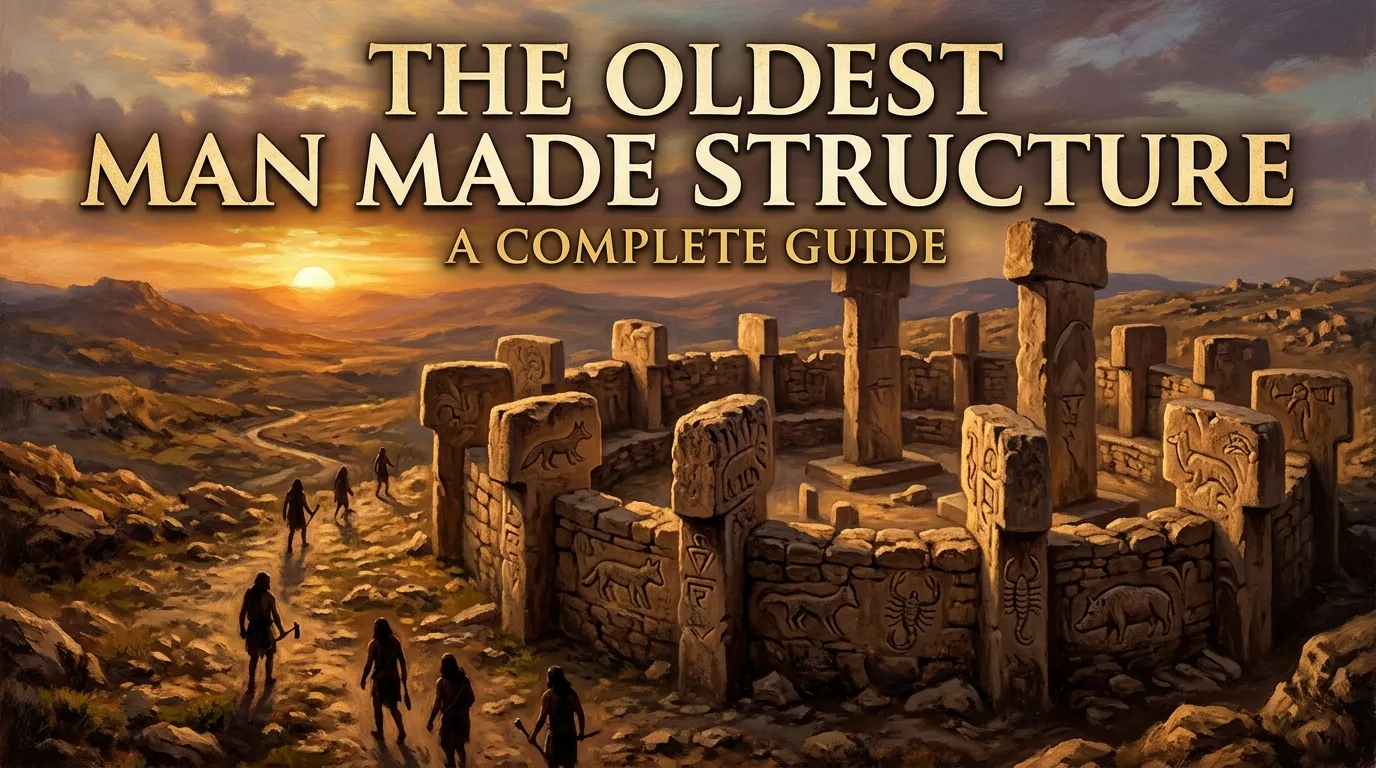
This comprehensive guide explores prehistoric constructions, from ice age cave walls to massive stone temples. You will discover how ancient civilizations survived, built enduring monuments, and reshaped our understanding of human history.
Unearthing Ancient Architectural Marvels
Human history holds countless mysteries, but our ancestors left behind permanent clues through their buildings. Finding the exact origins of human construction requires deep archaeological research. Experts continually uncover new sites that push the timeline further back. To understand these ancient civilizations, we must examine the most significant discoveries worldwide.
The Theopetra Cave Wall (23,000 BCE)
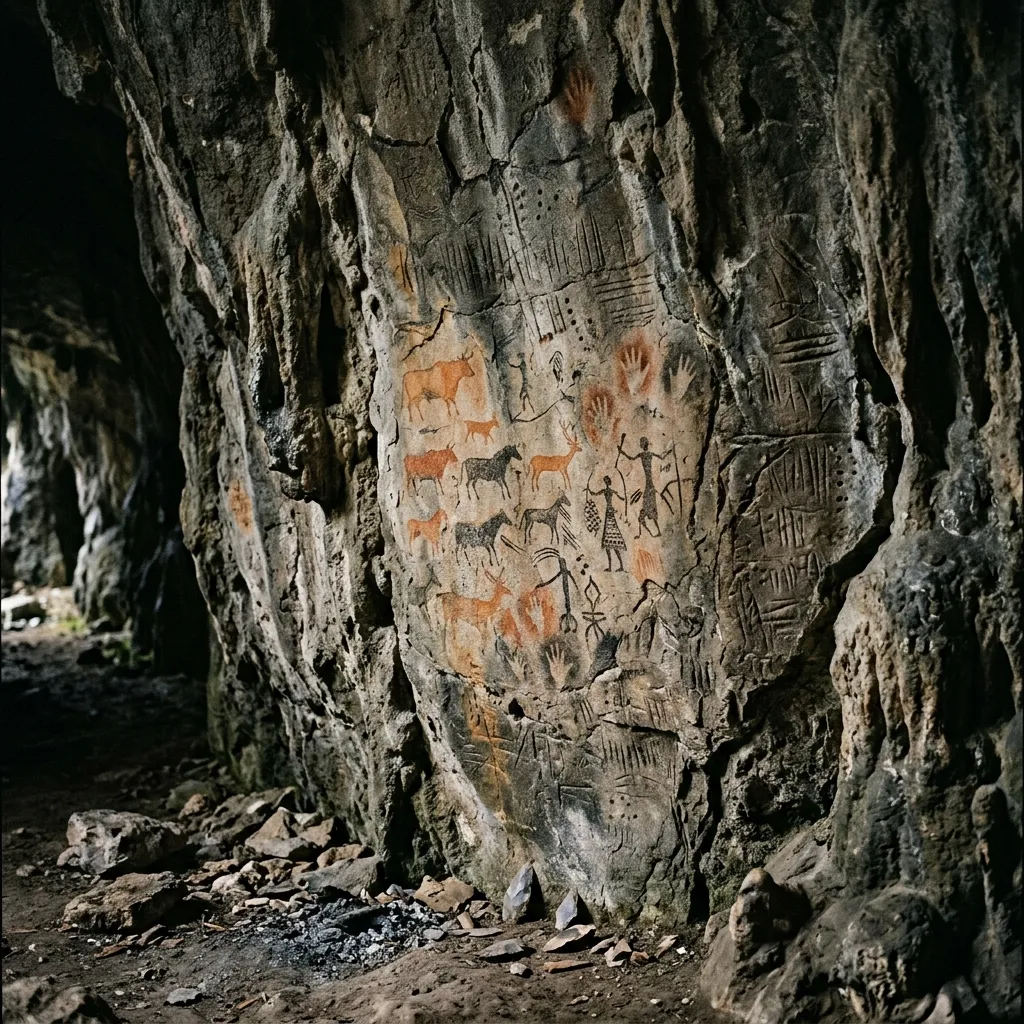
Deep inside a Greek cavern lies a simple stone wall. Archaeologists recognize this barrier as the oldest known human-made construction. Built during the Last Glacial Maximum, the wall blocked freezing winds and protected the cave’s inhabitants. Early humans gathered unshaped rocks and bound them with clay. This deliberate environmental modification shows remarkable foresight.
The Theopetra Cave provides a continuous archaeological record spanning 130,000 years. Inside, researchers found stone tools, hearths, and footprints from Neanderthal children. The wall itself represents a massive conceptual shift. Early humans stopped simply seeking shelter and began actively designing their living spaces. This basic windbreak predates monumental architecture by tens of thousands of years.
The Towers of Tell Qaramel (10,650 BCE)
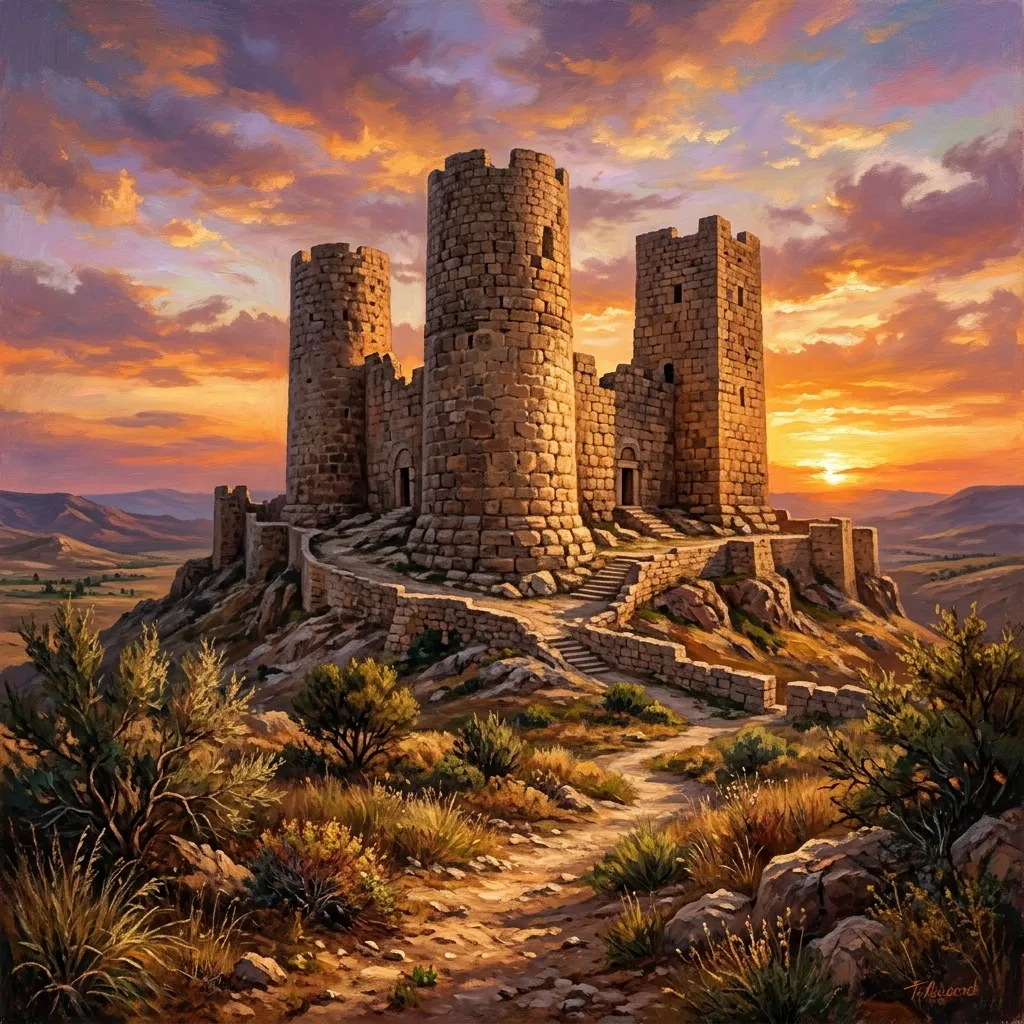
Located in modern-day Syria, the Tell Qaramel settlement features five circular stone towers. These massive structures date back to the 11th millennium BCE. Builders constructed them using large river stones and mud. The towers likely served defensive, ceremonial, or communal purposes.
Archaeologists point to Tell Qaramel as proof that complex community organization existed long before the advent of agriculture. The settlement included round houses, hearths, and grinding stones. These people gathered wild grains and hunted local game, yet they managed to organize massive public works.
Göbekli Tepe (9500 BCE)
Located in southeastern Turkey, Göbekli Tepe challenges everything we know about early human history. Hunter-gatherers built this massive sanctuary thousands of years before the invention of the wheel or written language. The site features enormous T-shaped limestone pillars arranged in circles.
Builders carved intricate reliefs of animals—including lions, foxes, and scorpions—into the stone. Some pillars weigh up to 10 tons. Moving and erecting these stones required immense workforce coordination. Many experts believe this site served as a religious sanctuary. People traveled from distant regions to worship, feast, and socialize. The sheer scale of Göbekli Tepe suggests that the urge to build monuments may have driven the development of agriculture, rather than the other way around.
The Megalithic Temples of Malta (3600 BCE)
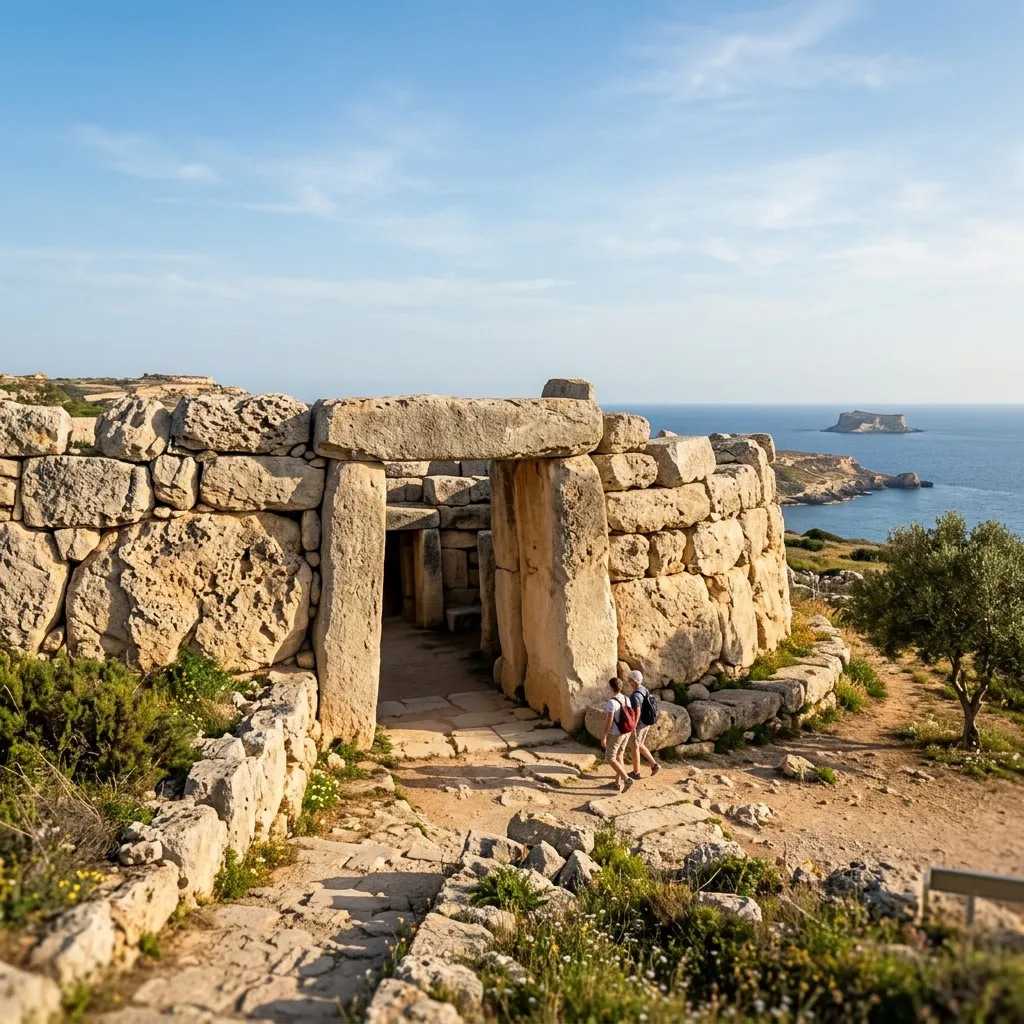
Long before the Egyptians built their pyramids, the people of Malta constructed massive freestanding temples. The Megalithic Temples of Malta stand as architectural masterpieces of the Neolithic era. Builders used local limestone to create complex, multi-chambered sanctuaries.
They developed sophisticated techniques to transport massive stone blocks using wooden rollers and levers. They employed corbel arches to support heavy stone roofs. These temples, including Ħaġar Qim and Mnajdra, align with solar events. The builders carefully tracked the solstices and equinoxes, integrating this astronomical knowledge into their sacred architecture. You can explore more about these incredible achievements through the UNESCO World Heritage Centre.
The Great Pyramid of Giza (2560 BCE)
While not the oldest, the Great Pyramid of Giza remains one of the most iconic ancient structures. Pharaoh Khufu commissioned this massive tomb, which held the title of the world’s tallest building for over 3,800 years. The builders quarried, transported, and placed approximately 2.3 million limestone and granite blocks.
The engineering precision still baffles modern architects. The pyramid aligns almost perfectly with the four cardinal points of the compass. Inside, a complex network of passages leads to the King’s Chamber. The ancient Egyptians achieved this feat without iron tools or pulleys, relying entirely on human labor, ramps, and copper implements. To understand the scale of Egyptian engineering, you can read detailed archaeological reports from National Geographic.
Newgrange (3200 BCE)
Nestled in Ireland’s Boyne Valley, Newgrange is a spectacular prehistoric monument. This massive circular mound houses an inner stone passageway and a cross-shaped chamber. The ancient builders constructed the mound using alternating layers of earth and stone, sealing it with a stunning facade of white quartz.
The structure is famous for its precise astronomical alignment. On the morning of the winter solstice, a narrow beam of sunlight penetrates the roof box and illuminates the inner chamber perfectly. Building Newgrange required a deep understanding of astronomy, engineering, and seasonal cycles. The effort involved hundreds of workers moving heavy stones from distant locations over several decades.
Skara Brae (3180 BCE)
Off the coast of Scotland lies Skara Brae, northern Europe’s best-preserved Neolithic village. This ancient settlement consists of eight clustered houses connected by covered passageways. The builders used local flagstone to construct walls, beds, dressers, and shelves.
The village layout reveals a highly organized society. Each house features a central hearth and identical floor plans, suggesting a community built on equality rather than hierarchy. The inhabitants survived by fishing, hunting, and raising cattle. Because sand dunes buried the village for millennia, the stone furniture remains in pristine condition today. You can find detailed historical accounts of this site at History.com.
Structural Comparison Table
To better understand these monumental achievements, compare their basic characteristics below:
|
Structure Name |
Location |
Estimated Date |
Primary Material |
Original Purpose |
|---|---|---|---|---|
|
Theopetra Cave Wall |
Greece |
23,000 BCE |
Unshaped rocks, clay |
Windbreak / Shelter |
|
Tell Qaramel Towers |
Syria |
10,650 BCE |
River stones, mud |
Defensive / Communal |
|
Göbekli Tepe |
Turkey |
9,500 BCE |
Limestone pillars |
Religious Sanctuary |
|
Megalithic Temples |
Malta |
3,600 BCE |
Limestone blocks |
Ceremonial Temples |
|
Newgrange |
Ireland |
3,200 BCE |
Earth, quartz, stone |
Passage Tomb / Calendar |
|
Skara Brae |
Scotland |
3,180 BCE |
Flagstone |
Residential Village |
|
Great Pyramid of Giza |
Egypt |
2,560 BCE |
Limestone, granite |
Royal Tomb |
Common Mistakes to Avoid When Studying Ancient Structures
When researching ancient history, people often fall into analytical traps. Avoid these common historical and archaeological misconceptions:
- Assuming Primitive Equals Unintelligent: Many assume ancient people lacked sophisticated intelligence. In reality, early humans possessed incredible problem-solving skills, engineering knowledge, and astronomical awareness.
- Confusing Discovery Dates with Construction Dates: Archaeologists often date the organic material found near a structure, not the stone itself. New carbon dating methods frequently push construction timelines further back.
- Ignoring the Impact of Climate Change: Ancient builders adapted to vastly different environments. Theopetra Cave builders faced brutal ice age conditions, while the builders of Göbekli Tepe enjoyed a lush, resource-rich landscape that allowed them to focus on monumental architecture.
- Believing the Pyramids Are the Oldest: Pop culture often highlights the pyramids as the dawn of architecture. You must recognize that humans built massive stone temples and towers thousands of years before the Egyptians built Giza.
- Overlooking the Role of Hunter-Gatherers: Traditional history teaches that agriculture led to settlements and monuments. Sites like Göbekli Tepe prove that hunter-gatherers organized massive construction projects long before they domesticated crops.
Pro Tips for Exploring Ancient Ruins
If you plan to visit or study these historical sites, use these expert strategies to enhance your experience:
- Look Beyond the Main Monument: Explore the surrounding landscape. The quarries, ancient pathways, and worker settlements offer vital context about how the builders lived and transported materials.
- Study the Astronomical Alignments: Always check if a structure aligns with the solstices, equinoxes, or specific star clusters. This alignment reveals the culture’s scientific priorities and seasonal dependencies.
- Analyze the Joinery: Pay attention to how stones fit together. The use of corbel arches, mortarless joints, and interlocking blocks demonstrates the evolution of structural engineering.
- Consult Local Archaeological Reports: Read the latest peer-reviewed studies before visiting. Sites continually yield new discoveries that rewrite local history.
- Respect the Preservation Rules: Never touch ancient carvings or lean on prehistoric walls. Human oils and pressure cause irreversible damage to porous stones like limestone and sandstone.
A Legacy Etched in Stone
Humanity’s drive to build stretches back far further than most realize. The simple wall inside Theopetra Cave laid the groundwork for the monumental temples, tombs, and cities that followed. By studying these ancient sites, we uncover the resilience, creativity, and spiritual depth of our earliest ancestors.
If you are wondering what is the oldest man made structure, remember that archaeology constantly evolves. Keep exploring the ancient world, read the latest historical research, and plan a visit to a prehistoric site near you today.
Frequently Asked Questions
1. What exactly qualifies as a “man-made structure”?
A man-made structure requires deliberate human intervention to alter the environment for a specific purpose. It must feature recognizable building work, enclose a space or provide shelter, and utilize assembled materials like stone, wood, or mudbrick. Natural caves do not count, but a wall built inside a cave does.
2. Why did early humans build the wall at Theopetra Cave?
During the Last Glacial Maximum, Europe experienced extreme cold. Early humans built the stone wall across the cave entrance to block freezing winds. This allowed them to maintain warmth from their hearths and survive the brutal ice age climate.
3. Did aliens build ancient structures like the pyramids or Göbekli Tepe?
No. Extensive archaeological evidence proves that human beings built these structures. We have found the ancient quarries, the copper tools, the worker villages, and the logistical records that detail exactly how human labor accomplished these engineering feats.
4. How do archaeologists date ancient stone buildings?
Since researchers cannot carbon-date stone, they date the organic materials trapped beneath or between the stones. They analyze charcoal from ancient hearths, bone fragments, and plant remains. They also use Optically Stimulated Luminescence (OSL) to determine the last time sunlight hit the soil beneath the structure.
5. How did ancient people move stones weighing multiple tons?
Ancient builders used mechanical advantage. They employed wooden rollers, heavy-duty sledges, ropes made from plant fibers, and long wooden levers. They often built earthen ramps to drag stones to higher elevations, relying on massive coordinated teams of human laborers.
6. Why are there no surviving wooden structures from the same time period?
Wood is an organic material that decomposes quickly when exposed to moisture, fungi, and insects. While ancient people definitely built wooden shelters, only stone, bone, and fired clay survive the extreme passage of thousands of years.
7. Was Göbekli Tepe a city or a temple?
Experts classify Göbekli Tepe as a sanctuary rather than a residential city. Archaeologists have found no evidence of permanent domestic dwellings or daily trash pits. Instead, evidence points to massive, temporary feasts and ceremonial gatherings organized by nomadic hunter-gatherers.
8. Are there older structures hidden underwater?
Yes, rising sea levels at the end of the last ice age flooded many coastal settlements. Marine archaeologists constantly explore submerged sites like Doggerland in the North Sea and ancient settlements off the coast of India, which may eventually reveal even older constructions.
9. How did ancient builders cut stone without iron tools?
Builders used harder stones to pound and shape softer stones. For example, Egyptians used dolerite pounders to shape granite. They also used copper saws and drills fed with abrasive sand. The sand did the actual cutting, wearing away the stone through friction.
10. Could we find an even older structure in the future?
Absolutely. Archaeology is an ongoing science. As technology like LiDAR scanning and ground-penetrating radar improves, researchers locate hidden ruins under dense jungles and deep soils. We will likely discover older structures as exploration continues globally.