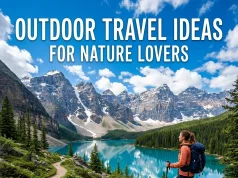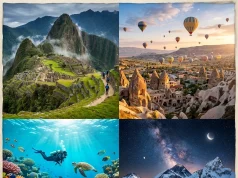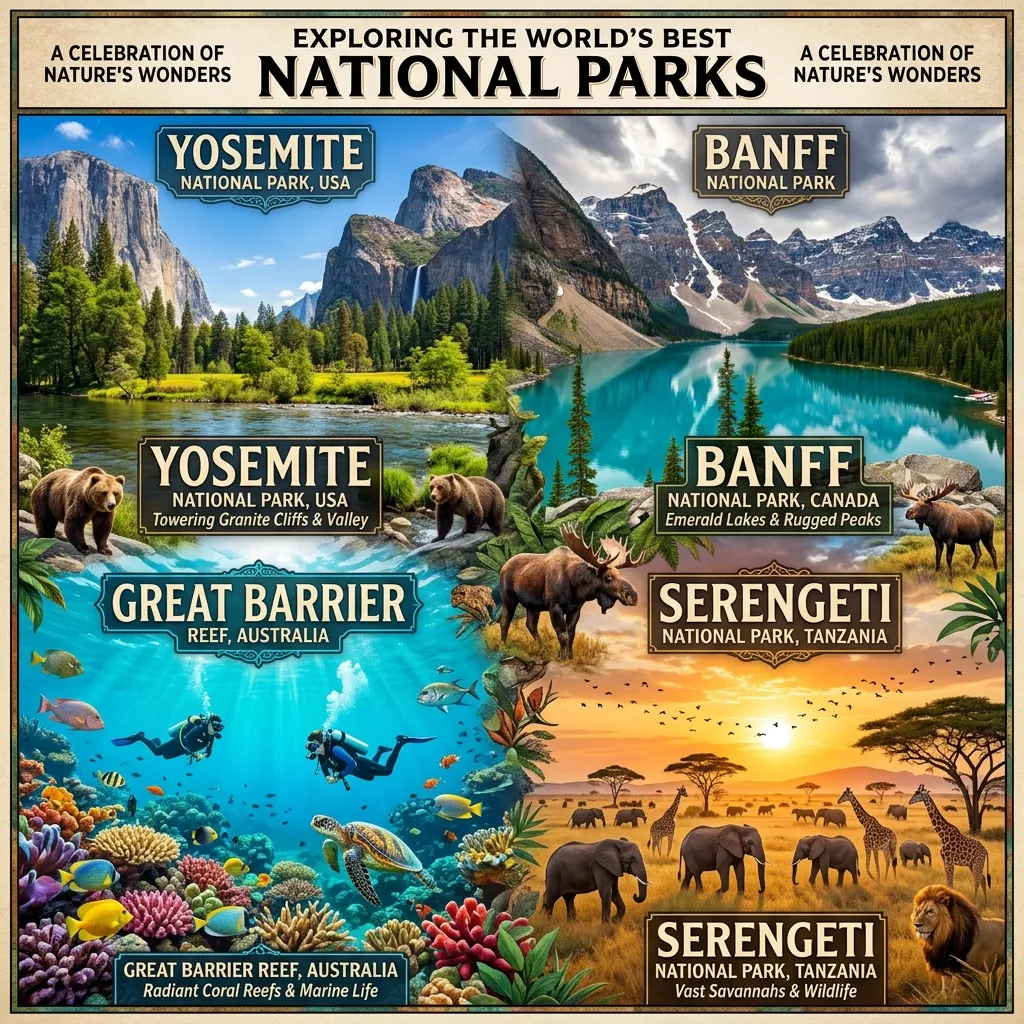
Planning a trip to the best national parks in the world requires careful preparation. This guide helps you navigate breathtaking landscapes and secure unforgettable outdoor experiences.
Discovering the best national parks in the world connects you with nature’s most spectacular wonders. We highlight top destinations across continents, essential preparation steps, and expert travel tips. Use this comprehensive resource to plan your next great wilderness adventure effectively and safely.
The Global Importance of National Parks
National parks serve as vital sanctuaries for biodiversity, protecting fragile ecosystems from industrial development and urban sprawl. The concept began taking shape in the 19th century, fundamentally shifting how humanity interacts with the natural world. By establishing protected areas, nations are committed to preserving their unique geographical and biological heritage for future generations.
The establishment of Yellowstone in 1872 marked a turning point in global wildlife conservation. This groundbreaking decision inspired a worldwide movement, leading to the creation of thousands of protected areas globally. Organizations like UNESCO World Heritage now work alongside local governments to ensure these ecological hotspots remain intact. Visiting the best national parks in the world not only provides recreational value but also funds critical conservation efforts that sustain our planet’s ecological balance.
Top National Parks in North America
North America boasts some of the most diverse and spectacular landscapes on the planet, featuring everything from geothermal wonders to towering alpine peaks.
Yellowstone National Park, USA
Yellowstone holds the prestigious title of the world’s first national park. Known for its geothermal features, it houses over half of the world’s active geysers, including the iconic Old Faithful. Visitors flock here to witness roaming herds of bison, majestic elk, and elusive grizzly bears.
Yosemite National Park, USA
Located in California’s Sierra Nevada mountains, Yosemite is globally recognized for its massive granite cliffs, particularly El Capitan and Half Dome. The park features cascading waterfalls and ancient giant sequoia trees. [IMPORTANT REMINDER] Always secure peak-season camping permits months in advance, as they sell out rapidly.
Grand Canyon National Park, USA
The Grand Canyon reveals millions of years of geological history through its massive, colorful rock bands. Whether you hike down to the Colorado River or take in the views from the South Rim, the sheer scale of this chasm is humbling.
Banff National Park, Canada
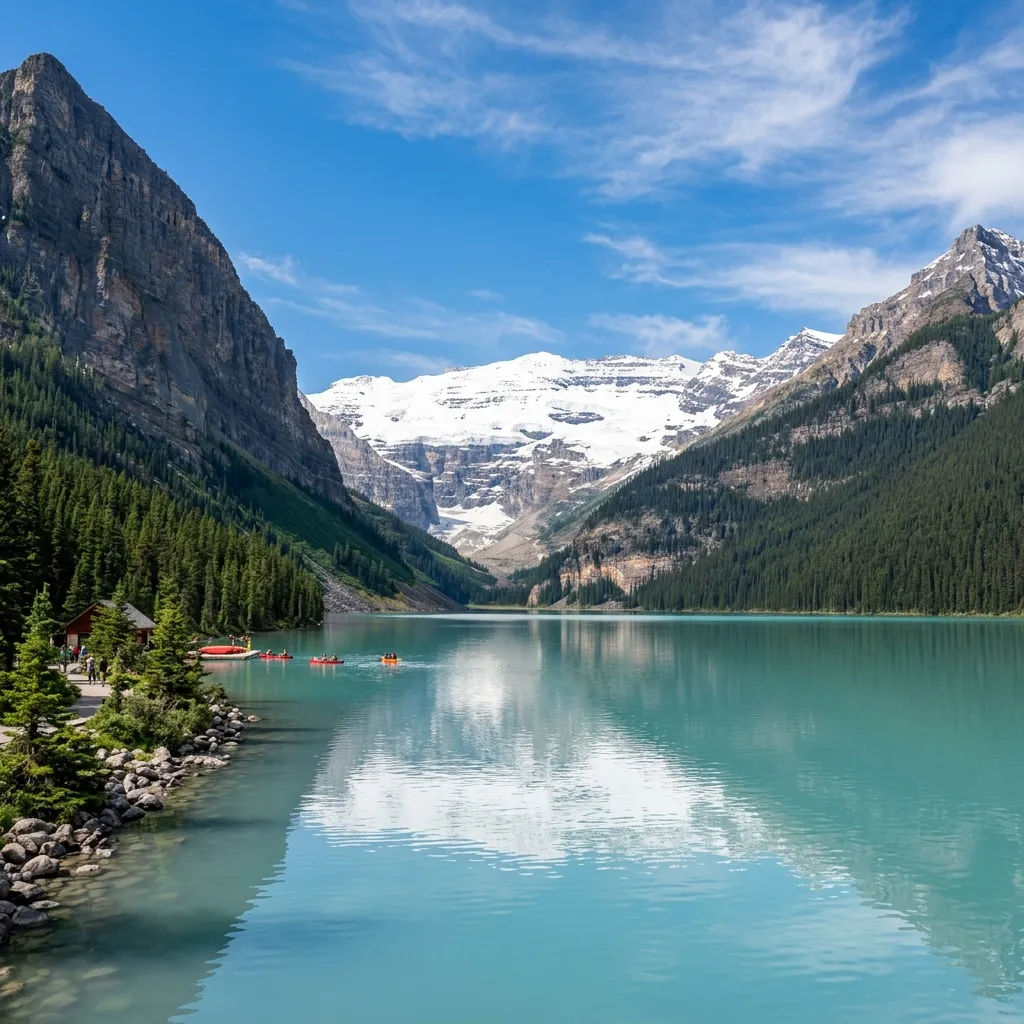
Nestled in the heart of the Canadian Rockies, Banff is a wonderland of glacial lakes, ice fields, and dense coniferous forests. Lake Louise and Moraine Lake offer striking turquoise waters that perfectly reflect the surrounding snow-capped peaks.
Essential National Parks in Africa
Africa’s national parks are synonymous with legendary wildlife safaris and vast, untamed savannas. They represent some of the best national parks in the world for observing megafauna in their natural habitats.
Serengeti National Park, Tanzania
The Serengeti hosts the Great Migration, where millions of wildebeest and zebras traverse the plains in search of fresh grazing. This continuous movement creates a spectacular wildlife viewing experience, accompanied by a high concentration of predators.
Kruger National Park, South Africa
Kruger is one of Africa’s largest game reserves. It offers exceptional infrastructure for self-drive safaris and guided tours. Visitors have an excellent chance of spotting the Big Five: lions, leopards, rhinos, elephants, and buffalo.
Etosha National Park, Namibia
Etosha is defined by its massive salt pan, which can even be seen from space. During the dry season, wildlife congregates around established waterholes, providing unparalleled opportunities for photographers and nature enthusiasts.
Breathtaking National Parks in Asia
Asia’s protected areas protect incredibly diverse environments, from tropical rainforests to arid island landscapes.
Komodo National Park, Indonesia
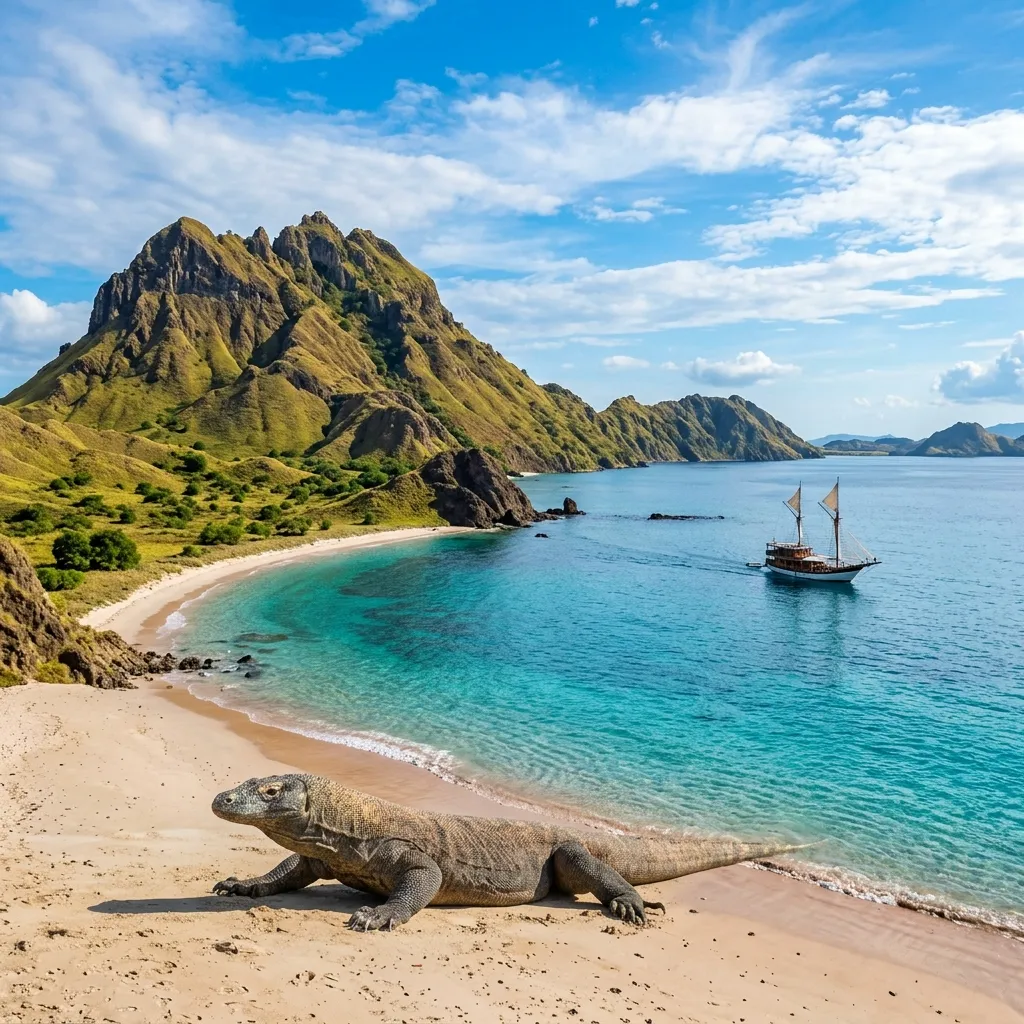
Spanning several volcanic islands, Komodo is the only place on Earth where you can see the Komodo dragon in the wild. The park also features vibrant coral reefs, making it a premier destination for scuba diving and snorkeling.
Khao Sok National Park, Thailand
Khao Sok features some of the oldest evergreen rainforests in the world. Towering limestone karst formations surround the emerald waters of Cheow Lan Lake. Visitors can explore deep caves, spot wild elephants, and sleep in floating bungalows.
Yala National Park, Sri Lanka
Yala offers the highest density of leopards in the world. Situated on the coast of Sri Lanka, this park combines dense jungle scrub with pristine beaches, providing a habitat for elephants, sloth bears, and crocodiles.
Iconic National Parks in South America
South America’s parks highlight the dramatic extremes of the continent, from towering Andean peaks to immense rushing waterfalls.
Iguazu National Park, Argentina/Brazil
Straddling the border between two nations, Iguazu features a massive system of waterfalls surrounded by lush subtropical rainforest. The deafening roar of the Devil’s Throat cascade is an unforgettable sensory experience.
Torres del Paine National Park, Chile
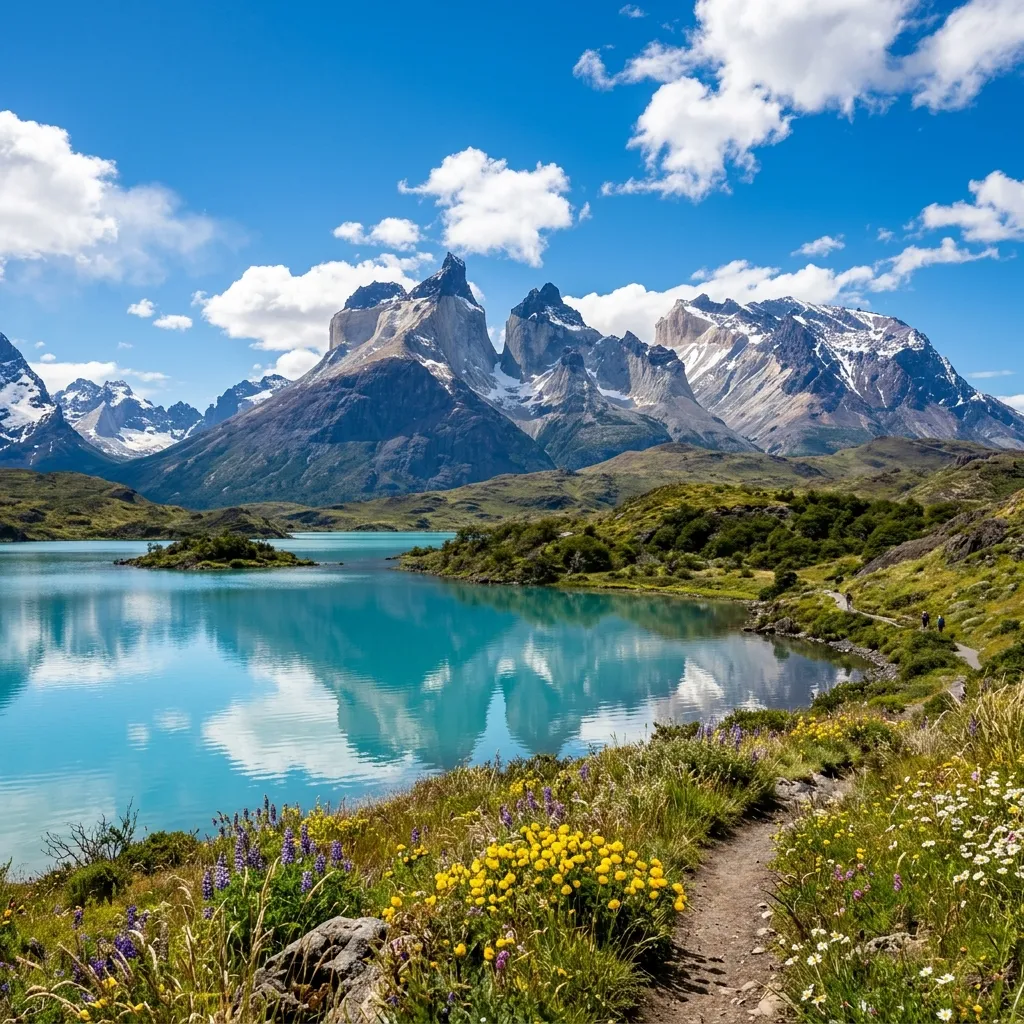
Located in the rugged Patagonia region, this park is a hiker’s paradise. The dramatic granite horns (cuernos) and pristine glacial lakes draw trekkers from across the globe to complete the famous W Trek. High-quality, waterproof hiking gear is non-negotiable due to the region’s rapidly changing weather.
Galapagos National Park, Ecuador
The Galapagos Islands inspired Charles Darwin’s theory of evolution. Because the islands are so isolated, the wildlife has no natural fear of humans. You can swim with sea lions, observe giant tortoises, and watch blue-footed boobies perform their unique mating dances.
Must-Visit National Parks in Europe and Oceania
These regions offer dramatic fjords, volcanic glaciers, and pristine coastal ecosystems that easily rank among the best national parks in the world.
Vatnajökull National Park, Iceland
Covering a massive portion of Iceland, this park centers around Europe’s largest glacier. It features a landscape shaped by the fierce battle between fire and ice, hosting active volcanoes beneath thick ice caps.
Fiordland National Park, New Zealand
Located on the South Island, Fiordland is famous for Milford Sound and Doubtful Sound. Carved by ancient glaciers, these dark waterways are surrounded by sheer rock faces and spectacular waterfalls plunging directly into the sea.
Freycinet National Park, Australia
Situated in Tasmania, Freycinet is renowned for the perfect curve of Wineglass Bay. The park offers striking pink granite peaks, white sandy beaches, and abundant native wildlife, including wallabies and echidnas.
Step-by-Step Guide: How to Prepare for Your Visit
Proper trip planning is essential when visiting the best national parks in the world. Follow these steps to ensure a smooth journey:
- Research the Destination: Understand the park’s geography, peak seasons, and local climate. Check the National Park Service or equivalent local authority for updated trail closures and alerts.
- Book Accommodations Early: Lodging inside national parks books up to a year in advance. Secure your campsites, lodges, or nearby hotels as soon as your dates are confirmed.
- Obtain Necessary Permits: Many parks require specific permits for backcountry camping, specific hiking trails, or even standard vehicle entry.
- Plan Your Itinerary: Identify your must-see attractions, but leave room for flexibility. National parks are vast, and driving between locations often takes longer than anticipated.
- Pack Appropriately: Dress in layers, bring adequate sun protection, and always carry more water than you think you will need.
Best National Parks at a Glance
|
Park Name |
Country |
Best Known For |
Best Time to Visit |
|---|---|---|---|
|
Yellowstone |
USA |
Geysers, Grizzly Bears, Bison |
May to September |
|
Serengeti |
Tanzania |
Great Migration, Lions |
June to October |
|
Torres del Paine |
Chile |
Granite Peaks, Glaciers |
November to March |
|
Komodo |
Indonesia |
Komodo Dragons, Diving |
April to December |
|
Fiordland |
New Zealand |
Fjords, Waterfalls |
December to March |
Common Mistakes to Avoid & Expert Pro Tips
Even experienced travelers can make critical errors when navigating massive wilderness areas. Avoiding these pitfalls will elevate your experience in the best national parks in the world.
Common Mistakes:
- Underestimating Distances: Many parks are the size of small countries. Do not plan an itinerary that requires you to rush from point to point.
- Approaching Wildlife: Animals are wild and unpredictable. Maintain a safe distance and never feed them, as this disrupts their natural foraging behaviors.
- Relying on Cell Service: Wilderness areas rarely have reliable cellular coverage. Always carry a physical map and a dedicated GPS device.
Expert Pro Tips:
- [PRO TIP] Wake up before sunrise to enter the park. You will avoid the longest entry lines, secure prime parking, and experience the wildlife when it is most active.
- [EXPERT TIP] Talk to park rangers upon arrival. They have up-to-the-minute information on animal sightings and trail conditions that you cannot find online.
Begin Your Next Great Adventure
Exploring the best national parks in the world offers unparalleled opportunities to witness the raw power and beauty of nature. By understanding the unique characteristics of these global destinations and preparing meticulously, you can ensure a safe and transformative travel experience.
Do not let these natural wonders remain just items on a screen. Start drafting your itinerary, apply for your permits, and prepare to step into the wild. Share your favorite park experiences in the comments below, or subscribe to our newsletter for more in-depth wilderness guides!
Frequently Asked Questions (FAQs)
1. What is the number one best national park in the world?
While subjective, Yellowstone National Park is frequently cited as the world’s most significant due to its historical status as the first national park and its extraordinary concentration of geothermal features and wildlife.
2. How much does it cost to visit the best national parks in the world?
Costs vary drastically by country. US parks typically charge a $30-$35 vehicle entrance fee. African safaris like the Serengeti charge daily conservation fees per person, which can range from $70 to over $100, not including safari vehicle costs.
3. What is the best time of year to visit national parks?
This depends entirely on the location. North American and European parks are generally best from late spring to early autumn. African parks are best visited during the dry season (June to October) when wildlife gathers at water sources.
4. Are national parks safe for solo travelers?
Yes, they are generally very safe for solo travelers, provided you follow standard wilderness protocols. Always inform someone of your hiking plans, stay on marked trails, and carry bear spray or equivalent protection where appropriate.
5. Do I need a guide to visit these parks?
In parks like Yellowstone or Banff, self-driving is easy and common. However, in places like Komodo National Park or the Serengeti, hiring a local guide is either legally required or highly recommended for safety and navigation.
6. Can I bring my dog to a national park?
Most of the best national parks in the world heavily restrict pets to protect local wildlife and ecosystems. In the US, dogs are usually only allowed on paved roads and in parking lots, and are strictly banned from hiking trails.
7. How do I get permits for popular hikes?
High-demand trails operate on a lottery or advanced reservation system. You must check the official park authority website up to six months in advance to apply for these permits.
8. What should I pack for a day trip in a national park?
Always bring a printed map, a first-aid kit, a minimum of two liters of water, high-protein snacks, moisture-wicking layers, rain gear, and a reliable flashlight or headlamp.
9. How do national parks promote sustainable tourism?
Parks limit visitor numbers, enforce “Leave No Trace” principles, and channel entry fees directly into habitat restoration and anti-poaching units to ensure long-term environmental sustainability.
10. Can I sleep in my car inside a national park?
Sleeping in your vehicle is generally prohibited outside of designated, reserved campsites. You cannot simply pull over on the side of a park road to camp overnight.