What Is Adventure Tourism? It represents a dynamic travel sector prioritizing active exploration over passive observation. This guide covers its evolution, economic impact, sustainability, and popular outdoor activities. You will learn to plan trips that benefit local communities while satisfying your need for unforgettable experiences.
Defining Adventure Tourism: Core Pillars and Elements
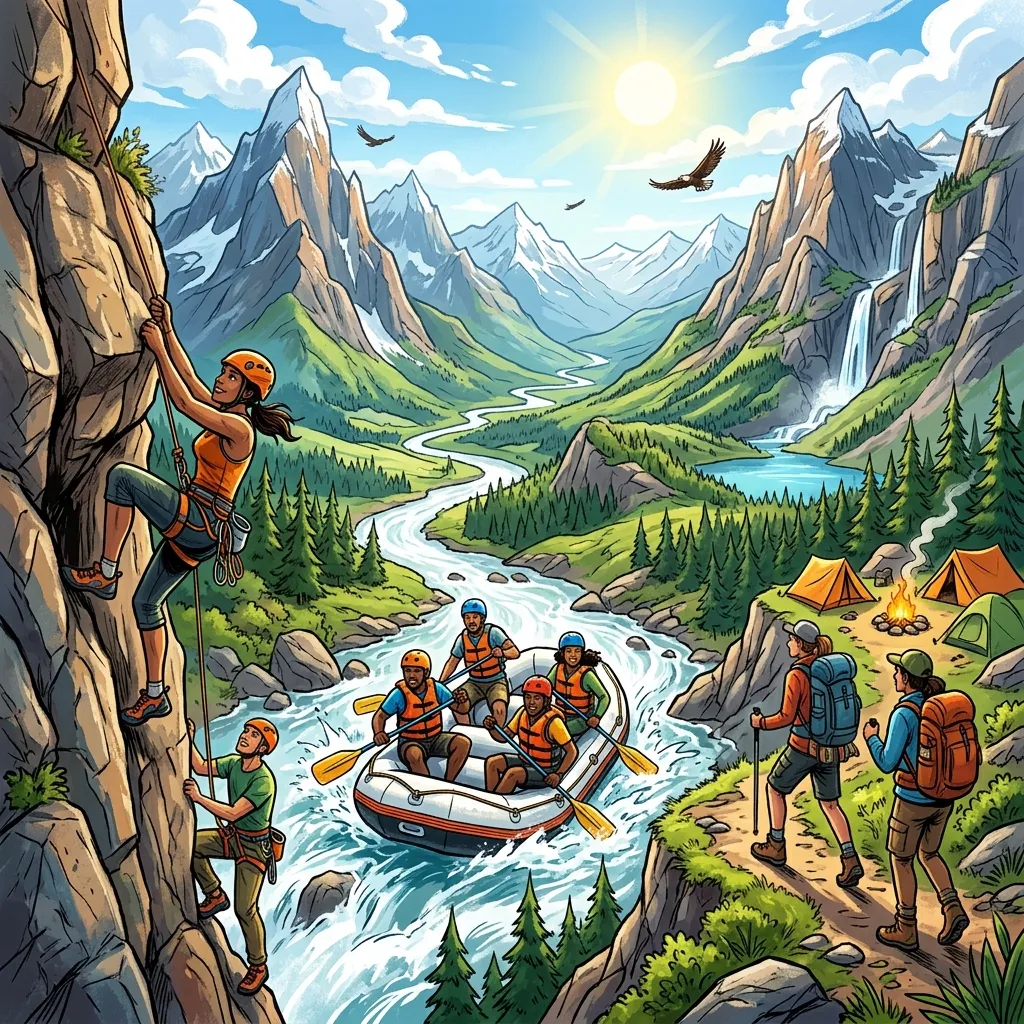
To fully grasp what is adventure tourism, we must look at its three core pillars: physical activity, natural environment, and cultural immersion. Unlike traditional vacations focused on relaxation, this type of travel requires active participation. You might find yourself navigating remote landscapes, learning traditional survival skills, or engaging in high-energy sports.
The Adventure Travel Trade Association (ATTA) defines this sector as any tourist activity that includes at least two of these three core pillars. When people ask, “What Is Adventure Tourism?”, they often picture extreme sports, but it encompasses much more. It involves pushing personal boundaries, stepping outside familiar routines, and embracing the unpredictable nature of the world.
The Evolution of Adventure Travel: From Scientific Exploration to Modern Tourism
Understanding what is adventure tourism requires a look at history. Centuries ago, adventure travel was purely functional or scientific. Explorers mapped unknown territories, studied exotic flora and fauna, and established global trade routes.
During the mid-20th century, companies began offering organized wilderness trips to the public. As infrastructure improved, remote destinations became accessible to everyday people. Today, what is adventure tourism has shifted from dangerous pioneer expeditions to highly organized, safety-conscious experiences. Modern technology and better gear have democratized the sector, allowing people of all ages and fitness levels to participate.
Hard vs. Soft Adventure Tourism: A Comparative Analysis
When discussing what is adventure tourism, industry experts categorize it into two distinct types: hard and soft.
Hard adventure involves high physical risk and requires specialized skills. Think ice climbing, high-altitude mountaineering, or extreme white-water rafting. Participants must possess advanced training and accept a significant level of inherent danger.
Soft adventure, conversely, requires little to no prior experience and carries a low level of risk. This category dominates the market. It includes activities like bird watching, architectural tours, and light outdoor excursions. Whether you prefer the adrenaline rush of hard adventure or the accessible thrill of soft adventure, both perfectly answer the question of what is adventure tourism.
Popular Adventure Tourism Activities
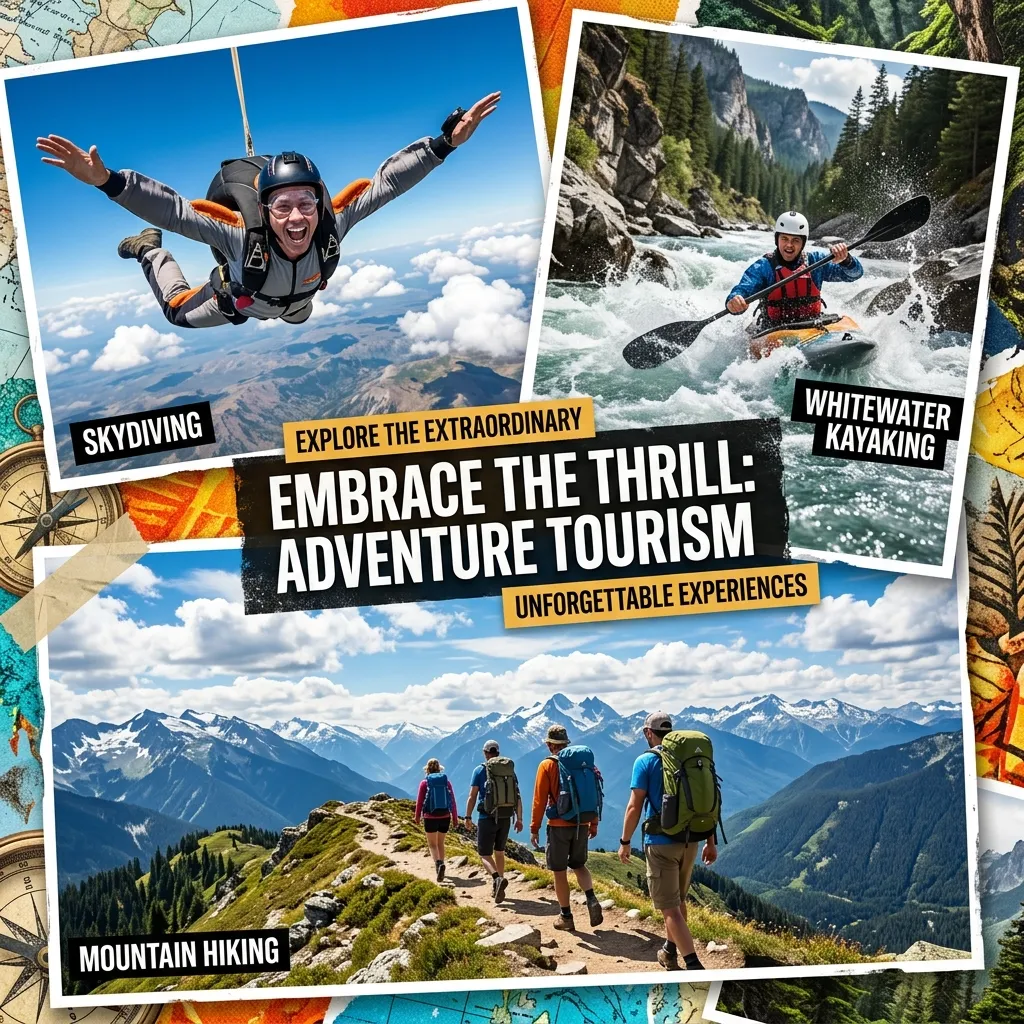
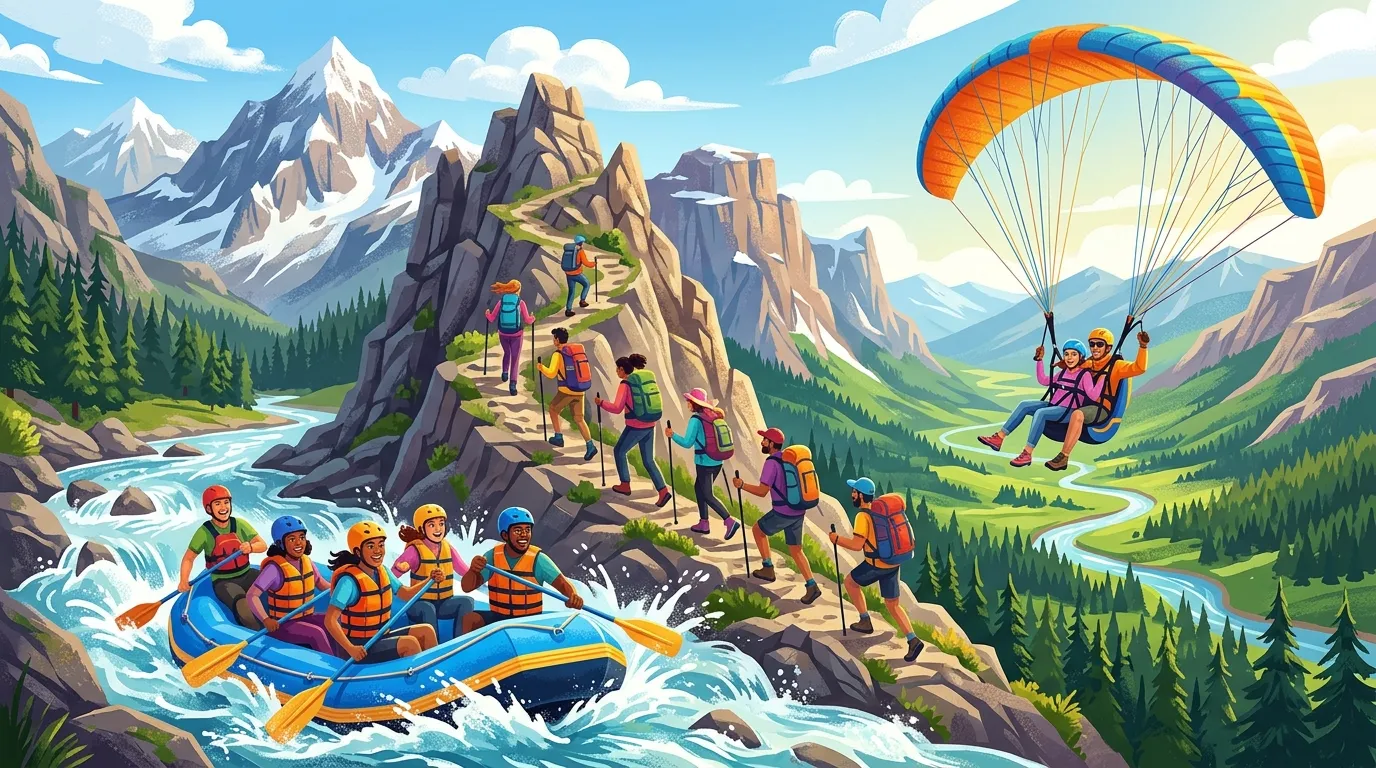
What Is Adventure Tourism? It is best understood through the activities that define it.
Biking has transformed recently, with e-bikes making rugged terrains accessible to novice riders. Organized bike tours allow travelers to cover vast distances while intimately connecting with the landscape.
Hiking trips remain a staple, ranging from day hikes in local national parks to multi-week treks across mountain ranges. For those seeking a more intense physical challenge, canyoneering offers an exhilarating mix of climbing, swimming, and rappelling through narrow gorges.
Water-based activities like kayaking and rafting provide unique vantage points of remote wilderness areas. Backpacking, the ultimate test of self-reliance, allows travelers to disconnect entirely from modern conveniences.
Experiential and Cultural Immersion: Homestays, Heritage Tours, and Foodie Adventures
A critical component of what is adventure tourism is experiential travel. This approach prioritizes deep, meaningful engagement with a destination’s culture and people.
Instead of staying in large resort hotels, travelers often choose homestays, integrating themselves into the daily rhythms of local families. Heritage tours guide visitors through ancient ruins and historical sites, offering context to the modern culture.
Culinary exploration is equally vital. Farm to table experiences allow travelers to harvest local ingredients and cook traditional meals alongside community members. This deepens cultural understanding and supports local agricultural economies.
The Economic and Social Impact on Local Communities

When asking what is adventure tourism, we must consider its profound impact on host communities. According to the United Nations World Tourism Organization (UNWTO), this sector retains a much higher percentage of revenue within the local economy compared to mass tourism.
Because adventure travelers seek authentic experiences, they spend their money at locally owned guest houses, hire regional guides, and purchase artisan crafts. This financial injection helps build schools, fund conservation projects, and provide sustainable employment. Furthermore, it incentivizes communities to protect their natural and cultural assets, as these are the very elements that attract visitors.
Sustainability and Ethical Considerations in Adventure Travel
Because what is adventure tourism relies heavily on pristine natural environments, sustainability is paramount. The influx of visitors to fragile ecosystems can cause environmental degradation if not managed correctly.
Ethical operators adhere strictly to Leave No Trace principles. They minimize waste, respect wildlife, and limit group sizes to reduce their ecological footprint. Furthermore, ethical tourism demands fair wages and safe working conditions for local guides and porters. Travelers must actively research operators to ensure their money funds sustainable practices rather than exploitative ones.
Adventure Tourism in Action: A Case Study on Hawaii
To see what is adventure tourism in practice, look no further than Hawaii. While famous for its luxury beach resorts, Hawaii has cultivated a robust adventure sector.
Visitors hike the volcanic craters of Haleakalā, surf the legendary waves of Oahu’s North Shore, and kayak along the dramatic Na Pali Coast. The state actively promotes sustainable tourism models, educating visitors on coral reef protection and the importance of respecting sacred Native Hawaiian sites. Hawaii proves that a destination can balance massive visitor numbers with authentic, thrilling, and respectful exploration.
Pro Tips for Planning Your First Adventure Trip
Preparing for what is adventure tourism requires careful planning. First, assess your physical fitness honestly and choose activities that match your capabilities.
If you are embarking on solo adventure travel, share your itinerary with someone at home and carry reliable communication devices. For those organizing group adventure travel, align expectations regarding activity levels and budget before departing.
Invest in high-quality footwear and weather-appropriate clothing. Always purchase comprehensive travel insurance that explicitly covers the specific activities you plan to undertake, as standard policies often exclude extreme sports.
Common Mistakes to Avoid
Many people misunderstand what is adventure tourism and make easily avoidable errors. The most common mistake is overpacking. Carrying heavy luggage across rugged terrain quickly ruins the experience. Pack versatile, moisture-wicking layers.
Another error is failing to research local customs and environmental regulations. Ignorance can lead to offensive behavior or fines for trespassing in protected areas. Finally, people often schedule their itineraries too tightly. Adventure requires flexibility; weather changes and physical fatigue necessitate rest days. Leave room in your schedule for spontaneous detours.
Your Next Great Journey Awaits
What Is Adventure Tourism? It is a commitment to experiencing the world actively, responsibly, and deeply. Whether you choose rugged solo expeditions or comfortable family trips, this travel style transforms how you view the planet and your place within it.
FAQs
1. What is adventure tourism exactly?
What Is Adventure Tourism? It is a form of travel that involves at least two of the following elements: physical activity, connection with nature, and cultural immersion.
2. Is adventure travel safe?
Yes, when facilitated by reputable operators. While hard adventure carries inherent risks, the majority of the market consists of soft adventure, which utilizes strict safety protocols and requires no special skills.
3. Do I need to be extremely fit to participate?
No. While mountaineering requires peak fitness, activities like walking tours, bird watching, and e-bikes are accessible to most fitness levels.
4. What is the difference between hard and soft adventure?
Hard adventure involves high risk and requires specialized skills (e.g., ice climbing). Soft adventure involves low risk and requires little to no prior experience (e.g., snorkeling).
5. Can families participate in this type of travel?
Absolutely. Many operators specialize in multi generational adventure travel, offering itineraries suitable for young children, parents, and grandparents alike. There are countless family adventure travel destinations globally.
6. Why is sustainability important in this sector?
Adventure travel relies on pristine natural environments and authentic cultures. Without sustainable practices, overtourism destroys the very assets that make the destination appealing.
7. What kind of insurance do I need?
You need specialized adventure travel insurance. Standard policies usually exclude activities like canyoneering, scuba diving, or high-altitude trekking.
8. How does this tourism benefit local communities?
It brings money directly into local economies. Travelers hire local guides, eat at family-owned restaurants, and stay in locally-operated accommodations.
9. What should I pack for an adventure trip?
Focus on lightweight, moisture-wicking layers, a high-quality first aid kit, durable footwear, and reusable water bottles to minimize plastic waste.
10. Can I do this type of travel alone?
Yes. Solo adventure travel is highly popular. Many tour companies offer group departures that solo travelers can join, providing the safety of a group with the independence of solo booking.